What Can You See in the Night Sky Tonight? (Beginner’s Guide)
If you’re wondering what can you see in the night sky tonight, the answer is simpler than you might expect.
Step outside, look up, and you’ll likely spot the Moon, bright planets, and some of the brightest stars visible from your location.
What can you see in the night sky tonight?
- The Moon — visible in its current phase and easy to observe
- Bright planets — such as Jupiter or Venus, depending on the time of year
- Bright stars — including Sirius and other prominent stars
- Constellations — patterns like Orion or the Southern Cross
Many people are surprised by what can you see in the night sky tonight without any equipment.
Best Time to See the Night Sky Tonight
- Early evening — ideal for spotting the Moon and bright planets
- Later at night, more stars and constellations become visible.
The Moon: The Easiest Object to See
- craters
- dark plains (called maria)
- light and shadow across the surface
Bright Planets You May See Tonight
- Venus
- Jupiter
- Saturn
- Mars
What Star Is That Tonight?
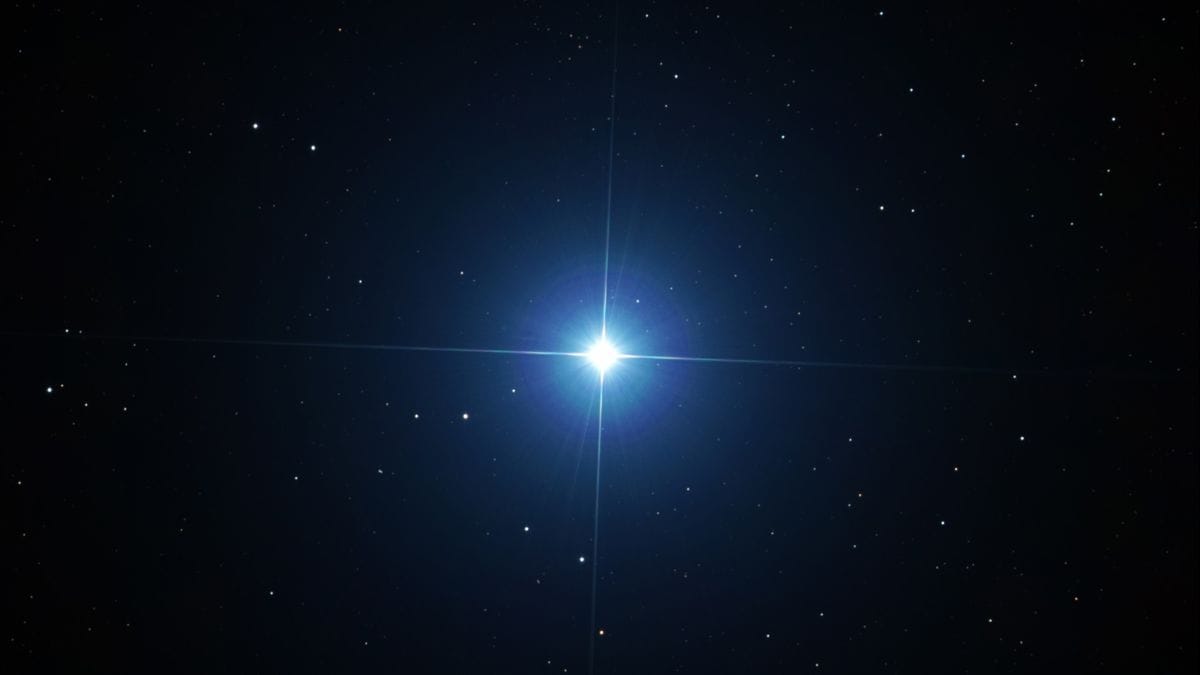
Jupiter is the largest planet in the solar system and the fifth planet from the sun.
Bright Stars That Stand Out
- Sirius — the brightest star in the night sky
- Vega — a bright summer star
- Arcturus — one of the brightest stars visible from Earth
Constellations You Can Recognise
- Orion — known for the three stars in a straight line (Orion’s Belt)
- The Southern Cross — visible in southern skies
- Scorpius — a curved pattern that resembles a scorpion
Your location can also change what you see in the sky.
- In the Northern Hemisphere, some constellations and stars appear differently positioned.
- In the Southern Hemisphere, you may see different star patterns.
What Else Can You See in the Night Sky Tonight
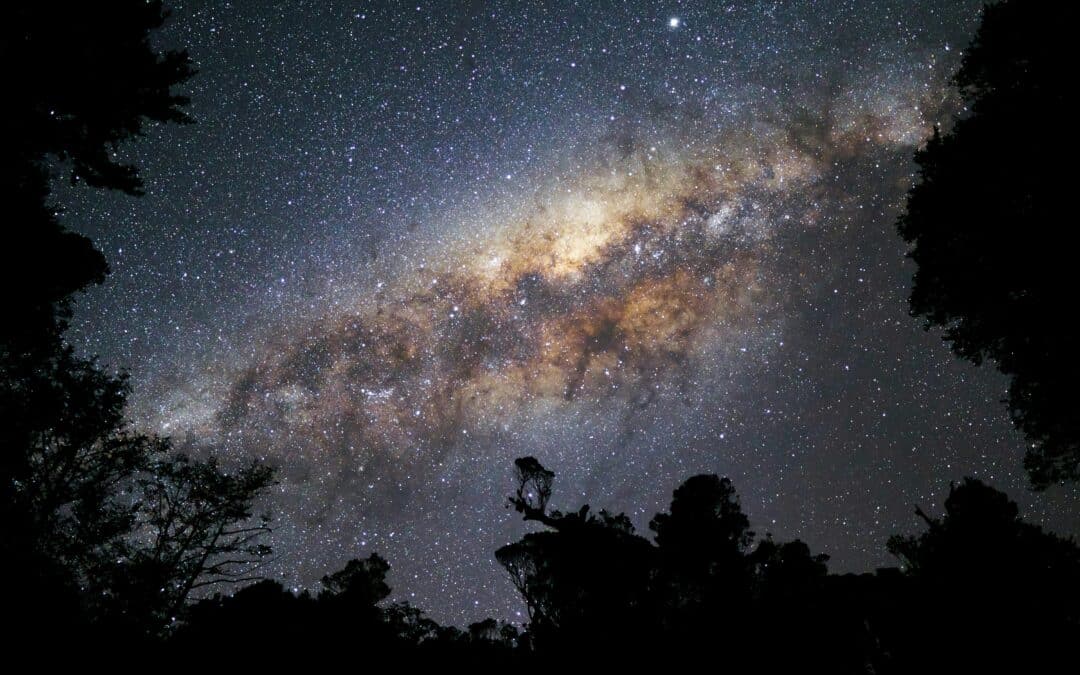
- The Milky Way — a faint band of light in darker locations
- Satellites — small points of light moving steadily across the sky.
- Meteor showers — brief streaks of light during certain times of the year
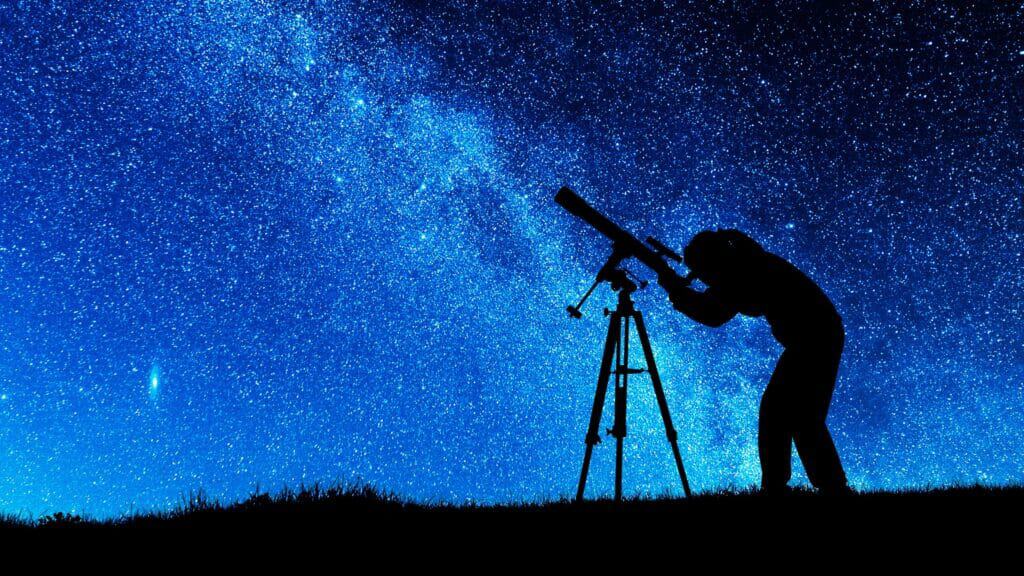
What can you see in the night sky tonight?
You might be wondering if you need a telescope.
- detailed views of the Moon
- Jupiter’s moons
- Saturn’s rings
Common Mistakes Beginners Make
- thinking planets are stars
- expecting everything to look like space images online
- Looking too early, before the sky is fully dark
- not give their eyes time to adjust
Start Simple Tonight
The night sky changes every evening, so if you’re wondering what can you see in the night sky tonight, the best thing to do is step outside and take a look.
Continue Exploring
Frequently Asked Questions
What can you see in the night sky tonight without a telescope?
What is the bright star I can see tonight?
What is the best time to look at the night sky tonight?
Can you see planets without a telescope?
Do I need to go somewhere dark to see the night sky?
Discover what can you see in the night sky tonight with telescopes, binoculars, and the best stargazing apps for beginners: