Stargazing Essentials: What You Really Need to Begin
Stargazing essentials for beginners:
Discover 7 must-have tips to enjoy the night sky, from basic gear to mindset and practical observing advice.
People often ask about the essentials for stargazing.
Many expect a list: telescopes, binoculars, or apps. But true stargazing essentials can’t be bought. To begin, all you need is simple, accessible equipment.
For beginners, stargazing starts with learning the night sky, understanding orientation, and developing patience. You don’t need elaborate gear, just clear skies, curiosity, and time outdoors. Focus on mastering the basics of stargazing before considering advanced equipment.
A red flashlight, a comfortable chair or blanket, and a simple star chart or app can make stargazing easier. Most importantly, bring curiosity and wonder.
To transition from background information to actionable guidance, consider the following list of what you truly need:
– A location with as little light pollution as possible (your backyard, a local park, or even a balcony can work) is one of the stargazing essentials you shouldn’t overlook.
– Clear skies and patience—cloudy nights are part of the journey!
– Your eyes, which are better than any equipment for learning the basics
– A simple star map or a free stargazing app to help you identify major constellations
– Optional but helpful: a red flashlight, a notebook for observations, warm clothing, and a reclining chair or blanket
Keep your focus on the essentials of stargazing, skills, environment, and a simple toolkit, for a rewarding experience. For beginners, stargazing is more about mindset than acquiring advanced gear.
Asking, “What do I need to start?” is simple: keep it basic for more enjoyment and less frustration.
Stargazing as a beginner is about discovery and connection.
As the night unfolds above us, the sky becomes a vast, accessible classroom where anyone can learn to find their way among the stars.
Next, let’s consider why this guide emphasizes that the stargazing essentials for beginners should focus more on learning and experience than on acquiring expensive gadgets.
Many people begin stargazing with excitement, curiosity, and a sense of wonder. Unfortunately, many also abandon it just as quickly — not because stargazing is difficult or boring, but because they were encouraged to start in the wrong place.
Beginner frustration in astronomy rarely comes from a lack of interest. It stems from uncertainty about what’s needed to start. Many think expensive gear is necessary, but basic skills and preparation, the true essentials, are all you need.
Stargazing is mainly a skill-based hobby. Like any skill, it rewards patience and gradual learning more than quick purchases or advanced tools.
This page exists to reset expectations and explain why the stargazing essentials for beginners should start with curiosity about the sky itself.
Those who first focus on understanding the night sky tend to enjoy astronomy longer.
They progress more confidently and avoid the discouragement that leads many people to give up early. Stargazing is most rewarding when approached as a journey of discovery, not a race to acquire equipment.

The Common Beginner Mistake: Buying Equipment Instead of Focusing on Stargazing Essentials
The internet makes it easy to believe that stargazing begins with a telescope. Newcomers are often shown images of distant galaxies and planets, and are led to assume that similar views are just one purchase away.
A telescope doesn’t automatically reveal the night sky without understanding how the sky moves.
Knowing how to find objects and what affects visibility is key; even a good telescope can be confusing without this understanding.
Many beginners struggle not because their equipment is poor, but because they were never taught how to use their eyes and mind first.
When expectations are set incorrectly, and the stargazing essentials aren’t clear, frustration follows quickly.
Stargazing Is About Orientation, Not Magnification
At its core, stargazing is about orientation — learning where you are in relation to the sky above you.
Before magnification matters, beginners benefit from understanding:
- How stars move across the sky during the night
- Why constellations change with the seasons
- How light pollution affects what can be seen
- Darker skies matter more than bigger telescopes—understanding this is key when asking what you need to start stargazing.
These are not advanced concepts—they are the foundation for beginners. Developing these skills makes every night outside bring a new understanding. Be patient and open to what the sky teaches.
Without this understanding, beginners often feel lost.
They point equipment at random areas of the sky, struggle to locate objects, and assume they are “doing it wrong.” In reality, they were never shown how the sky works. Understanding turns confusion into confidence.
Why Equipment-First Approaches Often Fail Beginners
Telescopes and binoculars are powerful tools, but only when used at the right time.
For beginners, starting with equipment introduces complexity too soon. Aligning mounts, focusing optics, choosing eyepieces, and locating objects all require a basic understanding of sky movement and reference points.
Without this foundation, learning feels steep, and progress is slow.
Many beginners report their telescopes “sit unused.” The issue is rarely motivation.
Cognitive overload—caused by not knowing where to start—makes stargazing feel unmanageable.
By contrast, beginners who start by learning the sky itself, even with the naked eye, tend to feel grounded. They recognize star patterns, understand direction, and know what they are looking at before attempting to magnify it.
Equipment then becomes an aid rather than a barrier.
The Role of Patience in Enjoying Stargazing
Stargazing rewards patience in a way many modern hobbies do not. There is no instant mastery and no shortcut to familiarity. This is not a flaw; it is part of the appeal.
Beginners who accept this early tend to enjoy the process rather than rush the outcome.
They learn to notice subtle changes, appreciate quiet moments, and develop a sense of connection to the night sky that goes beyond “seeing something impressive.”
A crucial mindset shift happens when beginners measure progress by understanding, not by purchases.
Astronomy should focus on growth and wonder, not just counting objects seen through a lens. By focusing on the stargazing essentials, you lay the foundation for a lifelong hobby.
The night sky is always changing, offering countless opportunities to observe new phenomena, from meteor showers to lunar eclipses.
Learning the Sky Builds Confidence Naturally
Confidence in stargazing does not come from owning advanced equipment. It comes from familiarity.
When beginners learn:
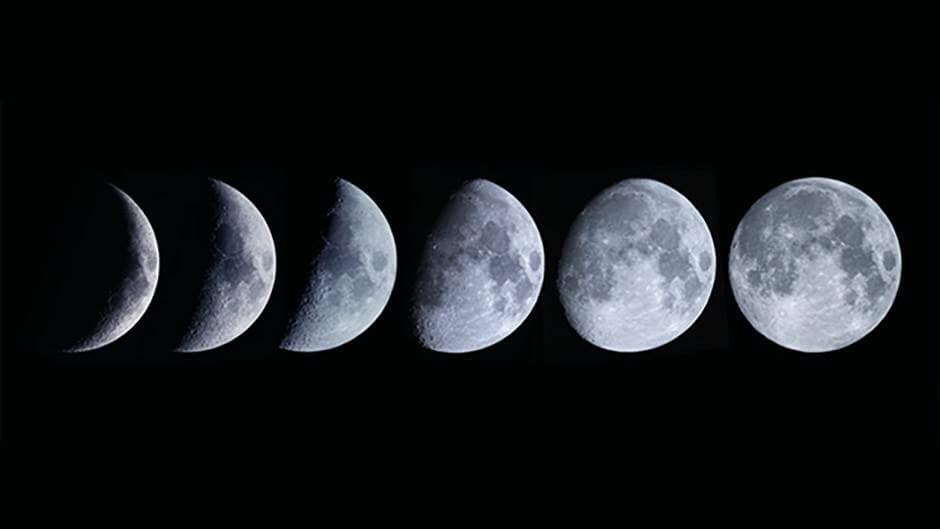
- How to find the Moon at different phases
- How to locate planets as they move against the stars
- How to recognise a handful of key constellations
They stop feeling like outsiders looking up at something mysterious. The sky becomes navigable instead of overwhelming. This confidence makes every future step easier, including choosing equipment later on if and when it becomes appropriate.
Stargazing for beginners is about building a personal connection to the universe, not instant results.
As confidence grows, so does curiosity, which is the true fuel for a lifelong interest in astronomy.
A Calm Starting Point That Lasts
Starting with basics, not equipment, doesn’t delay progress—it protects it.
It reduces wasted money, prevents disappointment, and builds skills that never become obsolete.
Even the most advanced astronomers still rely on the same foundational understanding of the sky’s movement and orientation that beginners can learn immediately.
Stargazing is not a race. It is a relationship built over time. For beginners, this means every night spent under the stars is valuable. Even if you only learn one constellation or observe lunar phases, stargazing essentials for beginners is about enjoying the journey, not rushing to a destination.
The magic of the night sky reveals itself slowly, rewarding those who return again and again with new sights and a deeper understanding.
If you are new to astronomy, the most important first step is not to buy anything. It is learning how the night sky works: calmly, gradually, and with curiosity instead of pressure. That is how beginners become lifelong stargazers.
Stargazing for beginners is truly the first step toward a lifetime of cosmic exploration. Whether you are gazing up from your backyard or a remote field, what matters most is the act of looking up and wondering.
Remember: every expert stargazer was once a beginner, captivated by the same stars.
With patience, curiosity, and a willingness to learn, anyone can unlock the beauty and mystery of the night sky.
In Summary, here’s how this guide directly answers:
What Are The Real Stargazing Essentials for Beginners?
This page is part of a broader set of beginner-friendly resources designed to help people answer the question, “What do I need to start stargazing?” and begin their journey with confidence and enjoyment.
From here, you may find it helpful to explore:
- whether stargazing fits your lifestyle and expectations
- Why does frustration cause many beginners to quit early?
- Why learning sky skills matters more than owning equipment
Each of those topics builds on the foundation explained here.
In conclusion, the stargazing essentials for beginners is a rewarding journey that anyone can begin with minimal resources and an open mind.
If you have ever wondered, “What do I need to start stargazing?” remember that the most important tools are curiosity, patience, and a willingness to learn.
By focusing on understanding the sky rather than acquiring equipment, you set yourself up for lasting enjoyment and a deeper connection to the universe above.
The night sky belongs to everyone, regardless of experience or equipment. With every session outside, you will develop skills, confidence, and a richer appreciation for the cosmos.
Stargazing for beginners is not about instant results but about nurturing a lifelong relationship with the stars.
So, find a dark spot, bring your sense of wonder, and trust that each night will reveal something new.
The universe is waiting for you to look up and begin.

For more expert advice and information