Introduction
Stargazing apps for beginners 2026. Spot planets, stars, and constellations with your smartphone tonight.
Situation: You step outside, excited to use your new binoculars. The night sky glitters, but the patterns look confusing.
Tension: You squint, wondering if that bright dot is Venus or just a plane. The constellations blur together. Without guidance, it feels overwhelming.
Action: The answer is at your fingertips. With the best stargazing apps for beginners 2026, your phone becomes a star guide.
These apps use GPS and augmented reality to show you exactly what’s above your head.
Result: Within minutes, you’re identifying Orion’s Belt, spotting Saturn, and even tracking the International Space Station. The sky feels like yours.
Why Apps Make Stargazing Easy for Beginners
When you’re just starting, stargazing can feel intimidating. Star charts look complicated. Constellations don’t look like their pictures. The sky changes every night.
But stargazing apps for beginners 2026 bridge that gap. They give you instant answers, clear visuals, and step-by-step guidance.
No guesswork: Point your phone, and the app labels what you see.
Educational: Learn facts, stories, and the history of stars and planets.
Event alerts: Apps notify you about meteor showers or eclipses.
Accessible: Many apps are free or cost less than a coffee.
With an app guiding you, you’re never lost. It’s like having a mentor in your pocket every night.
The Best Stargazing Apps for Beginners 2026
Here’s a breakdown of the top options for this year.
Stellarium Mobile
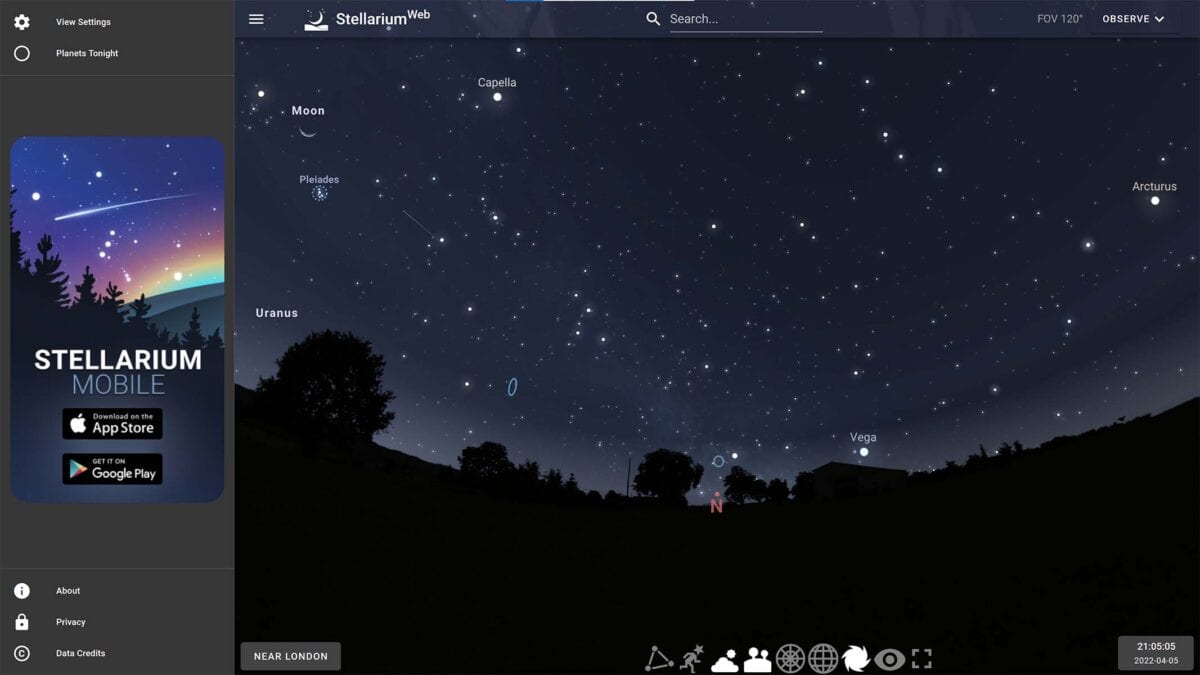
Stellarium is the gold standard. It creates a stunningly realistic night sky on your phone. Just point it up and watch constellations, planets, and satellites appear in real time.
It also lets you fast-forward or rewind time. You can see what the sky will look like hours from now or even years from now. Beginners love how intuitive it feels.
Pair it with a beginner telescope, and you’ll spot details like Saturn’s rings with ease.
SkySafari 7
SkySafari 7 offers more depth for curious beginners. It includes a massive database of stars and planets, plus telescope control features.
One standout feature is audio tours that explain what you’re seeing in simple terms. Instead of reading a guide, you just listen and learn.
For beginners who want to grow their knowledge quickly, this app is a perfect fit.
Star Walk 2
If you love visuals, Star Walk 2 is a treat. Its interface makes constellations glow with vibrant outlines and easy-to-follow guides.
It’s simple enough for kids yet powerful enough for adults. Notifications remind you of upcoming events like meteor showers, lunar eclipses, and planetary alignments.
This app pairs beautifully with a smartphone adapter mount, letting you line up your phone with your telescope.
Sky Map (Free Option)
Not ready to spend money yet? Sky Map is a solid free tool that gets you started instantly.
It works offline — perfect if you’re heading to a remote dark-sky spot near [Your Region]. Just point it at the sky, and it labels stars and planets without data or Wi-Fi.
It’s the ideal first download for anyone exploring stargazing apps for beginners in 2026
ISS Tracker
Watching the International Space Station glide overhead is unforgettable. The ISS Tracker app tells you when and where to look.
It provides real-time countdowns and even notifies you minutes before the station appears. For beginners, it guarantees a quick win — you’ll definitely see something spectacular.
Bring your binoculars or telescope to make the most of the experience.
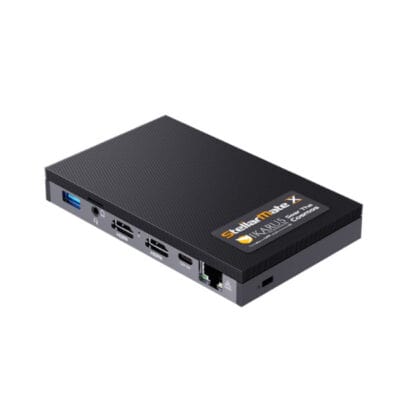
StellarMate X – Plug & Play Multi-Platform Astrophotography Controller
Real-World Story
Situation: A beginner wanted to show his granddaughter a planet. He set up his telescope in the backyard.
Tension: But he couldn’t find anything beyond a few bright stars. He felt embarrassed and was nearly ready to give up.
Action: He downloaded SkySafari 7, one of the top stargazing apps for beginners in 2026, and followed its guided tour.
Result: Within minutes, he had Saturn in view. His granddaughter gasped at the sight of its rings. That night turned into a cherished memory and sparked a new tradition of stargazing together.
Tips for Using Stargazing Apps Effectively
Plan Around the Moon
Check your app for lunar phases. The new moon is the best time for dark-sky trips.
Start With Naked Eye Viewing
Use your app to spot bright constellations first. Then bring in binoculars or a starter telescope from High Point Scientific for detail.
Save Favorites
Most apps let you bookmark objects. Save your favorite stars and planets so you can return to them next time.
Stay Charged and Comfortable
Bring a portable power bank. Nothing kills the fun faster than a dead phone in the middle of the night.
Building Confidence One Night at a Time
The beauty of technology is that it grows with you. At first, you’ll rely on stargazing apps for beginners 2026 for everything. Over time, you’ll recognize patterns on your own.
That’s when the real magic happens. You’ll no longer need your phone for every star. You’ll start connecting dots, telling stories, and navigating the sky naturally.
When you’re ready, add equipment to the mix. A portable telescope from High Point Scientific will expand what you can see.
Action Step
Choose one app from this list of the best stargazing apps for beginners 2026. Download it today. Use it tonight to find one constellation or planet.
Conclusion – A Pocket-Sized Universe
The night sky doesn’t have to stay a mystery. The stars are there — you just need the tools to find them. With the best stargazing apps for beginners in 2026, your phone becomes a guide to the universe.
This is your chance to take a fresh step toward stargazing without frustration. Download an app, step outside, and let technology open the door to wonder. Pair it with a starter telescope, High Point Scientific, or a simple set of binoculars, and you’ll see the cosmos in stunning detail.
The universe has been waiting for you. Tonight is the perfect night to start exploring it.

For more expert advice and information on stargazing apps for beginners 2026