Introduction
For many people, astronomy begins with a simple dream.
One day, they imagine owning a telescope and exploring the Moon’s craters, Saturn’s rings, and distant galaxies for themselves. It’s an exciting thought, and for many beginners, buying a telescope feels like the obvious first step.
In my experience, it rarely is.
A telescope is one of the most rewarding tools an amateur astronomer can own, but only when it comes at the right time. Buying one before you’ve developed an interest in the night sky can lead to frustration, unrealistic expectations, and expensive mistakes.
The best telescope owners aren’t simply people who own good equipment.
They’re people whose curiosity has grown to the point where a telescope becomes the natural next step in their journey.
Before you spend your hard-earned money, it’s worth asking one simple question.
Am I ready to buy a telescope?
In this guide, we’ll explore the signs that suggest you’re ready, the expectations worth having, and why learning the night sky first often leads to a far more enjoyable experience.
Why This Question Matters
It’s easy to get swept up in the excitement. You see dazzling images of Saturn’s rings or the Orion Nebula online, and your instinct is to order a telescope immediately. But buying on impulse frequently leads to disappointment.
Many newcomers assume the instrument does all the work, only to find the setup daunting or the views underwhelming. There’s a big difference between owning a telescope and enjoying astronomy. The real joy comes from knowing how to navigate the sky and having the confidence to use your equipment.
Taking some time to learn the basics saves money and frustration. It helps you avoid the cheap “trash scopes” that wobble and blur at the slightest touch and ensures you select the right type and size of telescope for your interests. Laying this groundwork means that when you finally do invest, you’ll get far more out of the hobby.
You Might Be Ready If…
You Already Enjoy Looking Up
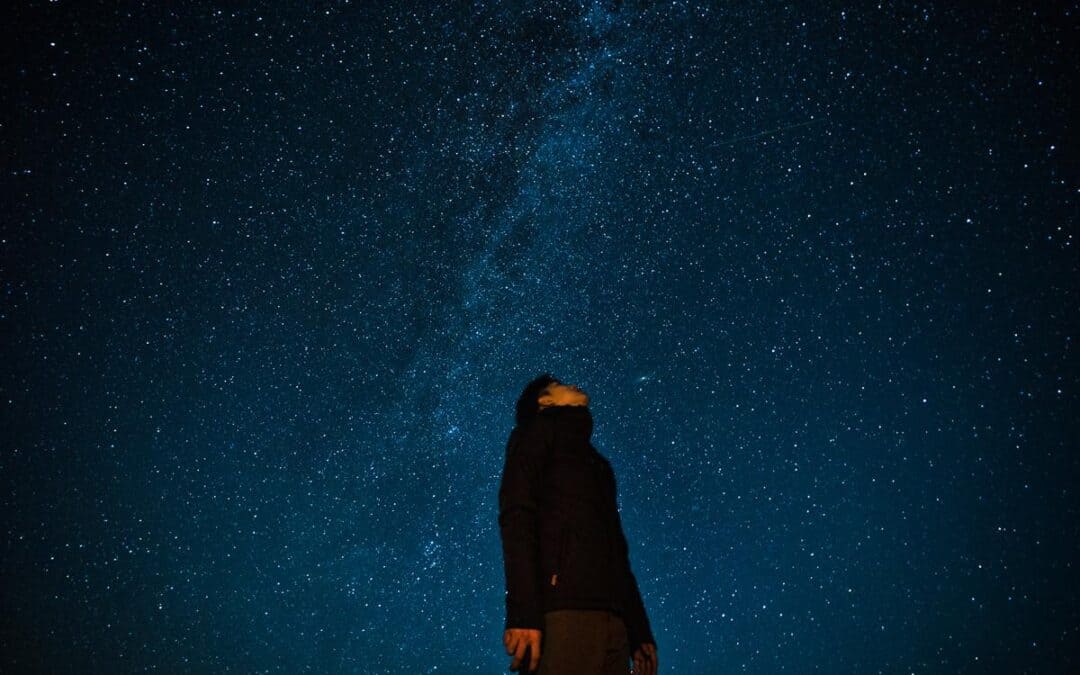
One of the clearest signs you’re ready for a telescope is that you’ve already built a habit of spending time under the stars with just your eyes. This means you aren’t waiting for fancy equipment to spark your interest; instead, you’re developing a deep appreciation for the night sky in its raw form.
Noticing the shifting patterns overhead and learning to recognize familiar celestial sights lays the emotional and practical groundwork for a hobby that will only become richer with better tools.
There’s a unique thrill in watching the Moon as it cycles through its phases, seeing shadows play across its surface and reveal intricate craters and mountain ranges. Many nights, you might head outside after dinner, spot a bright, steady light, and recognize it as Jupiter, Venus, or Mars—planets that become familiar friends even without equipment.
As you spend more time under the stars, you start to orient yourself using the Big Dipper, Orion, or the Southern Cross, letting these constellations guide your gaze. Without any optical aids, you discover a sense of calm and wonder as your eyes adapt to the darkness; you watch satellites drift overhead and experience the fleeting excitement of a meteor streaking through the night. All these moments build your appreciation for the universe long before you look through a telescope.
Your Curiosity Is Growing
As you spend more time beneath the night sky, your curiosity grows. You begin to wonder if it’s possible to see the iconic rings of Saturn from your backyard, or what Jupiter’s cloud bands really look like through a telescope.
Why does Venus sometimes appear as a shimmering crescent?
What are those faint, mysterious smudges among the stars of Taurus?
Each new question becomes fuel for your excitement, making the idea of owning a telescope more enticing—not just as a tool, but as a way to answer the mysteries you’ve uncovered on your own.
You Understand That Astronomy Is Learned
Astronomy is a skill, not a shortcut.
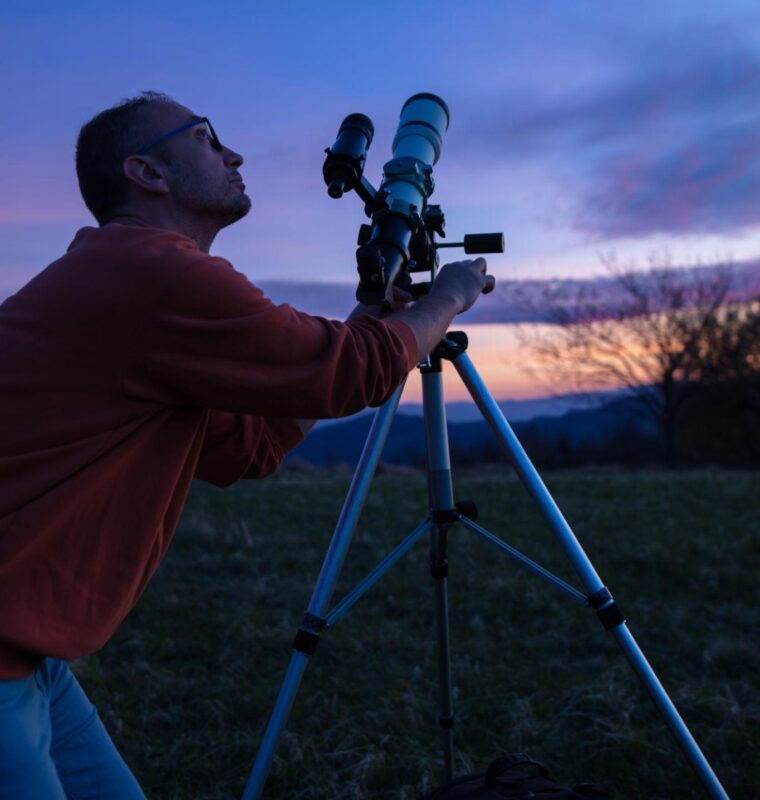
A telescope is not a point-and-shoot camera or a smartphone—it’s a hands-on tool that requires basic skills to operate effectively. You’re prepared to invest time in learning how to use star maps, align your instrument, and interpret what you see.
You recognize that astronomy is a process of gradual discovery, where patience and practice lead to greater proficiency and deeper enjoyment. Embracing this learning curve is a sign you’re ready to get the most out of your investment.
As your interest deepens, you start to appreciate the art of star hopping—using a familiar star as a starting point, then tracing your way across the sky to find elusive deep-sky treasures. Modern astronomy apps and classic planispheres help you discover which wonders are visible on any particular night.
The process of aligning, focusing, and patiently waiting for crisp views becomes part of the adventure itself, not an obstacle, and you realize that learning to operate a telescope is a rewarding journey.
You’re Ready to Learn and Make Smart Choices
When you take the time to learn the basics first, you naturally protect yourself as a consumer. You’re less likely to be swayed by marketing gimmicks or flashy packaging and more likely to make decisions based on your actual needs and interests.
This careful approach helps you avoid common beginner pitfalls, such as buying an overly complicated or unsuitable telescope, and ensures your purchase truly serves your astronomical goals.
When you’re ready to buy a telescope, you’re also ready to make a thoughtful decision. Rather than being influenced by impressive marketing claims, you’ll want to understand which telescope best suits your interests, your budget, and the way you plan to observe. Taking the time to learn first almost always leads to a better purchase.
Your Expectations Are Realistic
Real-world visual astronomy is vastly different from the images produced by computer-processed astrophotography or the Hubble Space Telescope. Having grounded expectations means you won’t be disappointed on your first night out.
You understand that what you’ll see through your first telescope will be subtle and delicate—wispy nebulae, faint galaxies, and planets that appear as tiny disks rather than dramatic, colorful images. This realistic outlook means you’re ready to appreciate the genuine, awe-inspiring experience of seeing these wonders with your own eyes.
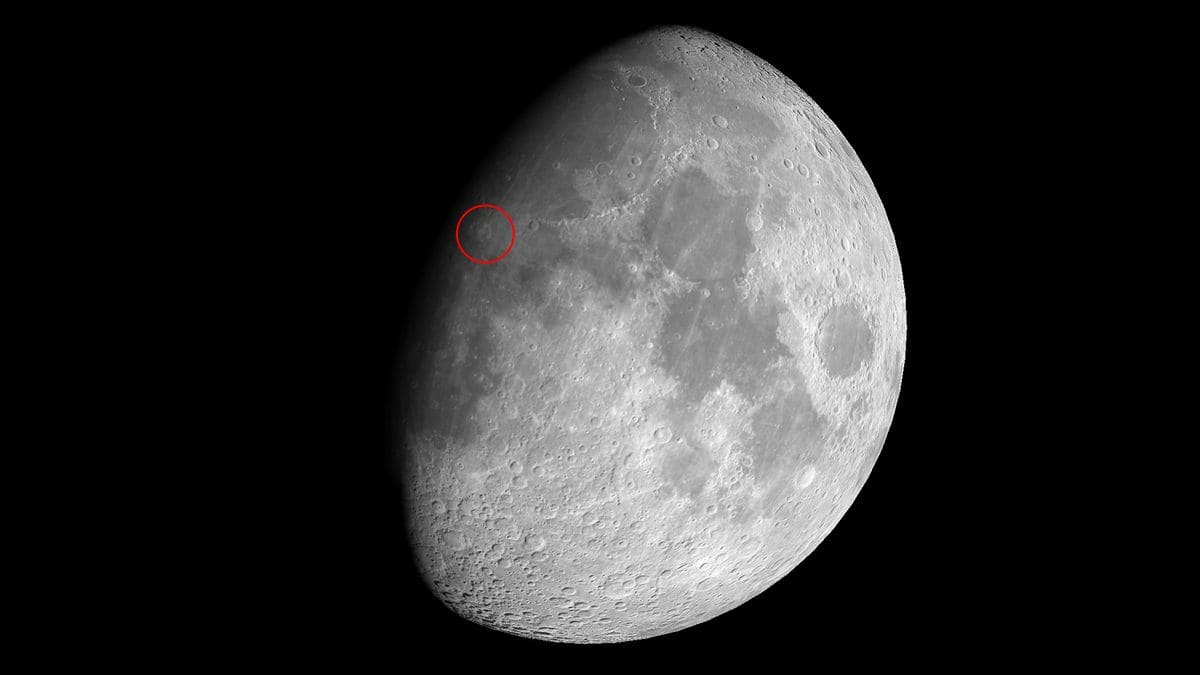
When you finally look through your first telescope, the universe opens up in ways you could only imagine. The Moon reveals its rugged shadows and soaring peaks in stunning detail. Jupiter, once a bright point of light, transforms into a world of swirling cloud bands, accompanied by its four largest moons in a cosmic dance.
Saturn’s rings become unmistakable, floating gently apart from the planet and occasionally revealing its bright companion, Titan. Star clusters burst into view as sparkling collections of diamond-like points, and nebulae and galaxies appear as ethereal, ghostly glows—subtle and mysterious, all the more beautiful because you’re seeing them with your own eyes, not through a camera lens.
Signs You Might Wait a Little Longer
Waiting isn’t a failure—it’s smart preparation. Sometimes, delaying a telescope purchase lets you build a stronger foundation for your enjoyment of astronomy. There’s real value in taking more time to explore the sky with your eyes or a simple pair of binoculars.
This extra period helps you build confidence in identifying constellations, understanding the sky’s rhythm, and deciding whether nighttime observing fits into your life. By being honest about your motivation and expectations, you ensure that when you do invest in a telescope, you’ll be fully prepared to appreciate and use it to its fullest.
Sometimes, the urge to buy a telescope comes more from outside influences than from your own genuine interest—perhaps a friend or family member has encouraged you, but you’re not sure it’s really your passion. If dazzling online photos shape your expectations, you might be hoping to glimpse vibrant, high-definition galaxies right away, which can set you up for disappointment.
It’s also perfectly normal to be uncertain about whether late-night observing will fit your lifestyle, or if you haven’t yet spent much time getting comfortable under the stars in your backyard. Taking the time to build familiarity with the night sky before investing in equipment is a wise and rewarding approach.
Remember: The night sky isn’t going anywhere. Taking an extra few weeks or months to learn the layout of the stars will only make your eventual telescope experience far better. This patience is an investment in your future enjoyment—allowing anticipation and knowledge to build, so that your first views through a telescope feel like an exciting reward rather than a confusing disappointment.
Conclusion
So, are you ready to buy a telescope? If you already enjoy stepping outside to look up, if your curiosity keeps asking “what’s out there?”, and if you’re excited about learning the sky, then the answer is a resounding yes. Your motivation and groundwork will ensure you get the most out of your equipment and the experience as a whole. By waiting until you’re truly ready, your telescope becomes a powerful tool for discovery, not a forgotten gadget.
When that moment arrives, choosing your equipment becomes much easier—and far more fun—because you’ll know exactly what you want to see and why. You’ll make informed choices, avoid unnecessary frustration, and enter the hobby with confidence, ready to learn and explore further. A telescope won’t create your love of astronomy. It simply helps you explore a hobby you’ve already begun to enjoy.
If you already enjoy looking up, ask questions about what you see, and are excited about learning more, then you’re probably ready. A telescope won’t make you love astronomy; it simply helps you explore a hobby you’ve already begun to enjoy.
Next Step: Check out our comprehensive guide, “Choosing Your First Telescope,” to find the ideal telescope for your budget and lifestyle! Remember, astronomy is a lifelong journey—by starting with the right mindset and preparation, you set yourself up for years of rewarding stargazing and discovery.

Explore beginner telescopes, binoculars, and the best stargazing apps for beginners here: