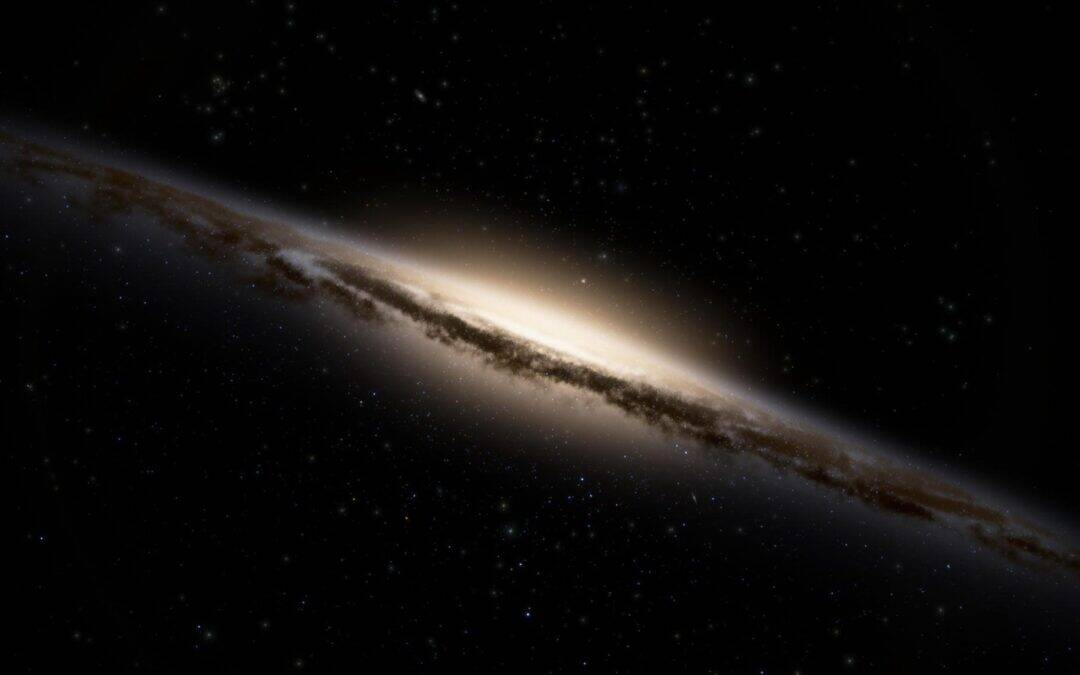
If you’re curious about seeing the Milky Way tonight, this guide will help you find out. Visibility depends on just a few key factors—mainly how dark the sky is and whether the Moon is visible. We’ll cover everything you need to successfully spot the Milky Way tonight.
The Milky Way is one of the most spectacular sights in the night sky, but it isn’t always obvious. Many expect something vivid and dramatic, only to miss it. In reality, it’s subtle—but when you know what to look for, it becomes easier to find.
Can You See the Milky Way Tonight? Let’s start by understanding what impacts your view this evening.
You can see the Milky Way tonight if conditions allow, and those requirements are simpler than most believe. Many people are surprised by how often the Milky Way is visible tonight, given the right conditions.
Darkness is crucial. Away from city lights, where the sky is darker and clearer, your chances improve dramatically. Even a short step from streetlights can make a noticeable difference.
The Moon’s phase matters. A bright Moon can overwhelm the faint glow of the Milky Way, making it difficult to see. On nights when the Moon is dim, the sky is darker and reveals more detail.
Clear skies are essential. Even thin clouds reduce visibility. Pick entirely cloudless nights.
Why It’s Not Always Visible
Unlike the Moon or planets, the Milky Way does not shine brightly in the sky. It is composed of billions of distant stars that blend into a soft, faint glow.
Light pollution can hide the Milky Way. In cities, you may not see it even though it is there.
Bright moonlight reduces contrast, making the Milky Way less visible.
That’s why the darkest, moonless nights are best for seeing it.
Not sure what that bright star is? This guide shows you how to identify it.
Best Time to Look Tonight
Timing is key when spotting the Milky Way tonight.
Right after sunset is too bright. As darkness deepens, the Milky Way appears.
The optimal time is usually between 30 and 90 minutes after sunset, when the sky has fully darkened. If you stay out later, the sky often grows darker, revealing more detail.
Patience matters. The longer your eyes adapt, the more you’ll see.
“Timing makes a big difference—here’s the best time to stargaze tonight.”
Best Time to Stargaze Tonight
Best Time to Stargaze Tonight
With timing in mind, consider how your location shapes what you’ll see in the night sky.
Your location affects what you see, but it’s simple.
In the Northern Hemisphere, the Milky Way’s position changes with the season. In the Southern Hemisphere, views of the central region may be clearer.
The hemisphere matters less than sky darkness. A rural dark setting always surpasses city lights, anywhere.
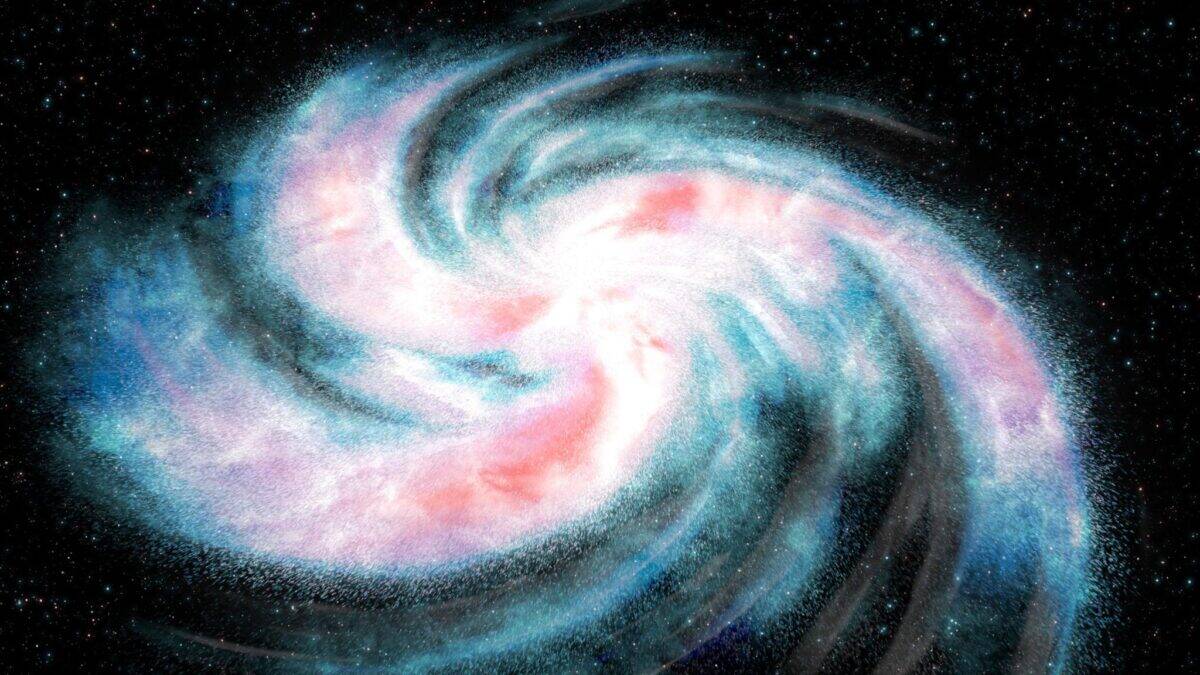
Unlike photos, the Milky Way appears as a soft, cloudy band of light to the naked eye, becoming clearer as your eyes adjust to the dark.
What the Milky Way Looks Like
One of the biggest surprises for beginners is how the Milky Way truly appears.
It does not look like the striking, colorful images seen online. To the naked eye, it usually appears as a dim, cloudy band across the sky, without sharp edges. Its glow may be so faint that it blends into the background unless you look for its soft, misty texture—especially before your eyes have adjusted.
After 15 to 20 minutes in darkness, your vision sharpens, and the Milky Way stands out. You may notice subtle shifts in brightness and texture within the band, adding depth.
If you want to know exactly which planets are visible tonight, this guide will help.”
What Planet Is Visible Tonight
What Planet Is Visible Tonight
Why Is It Called the Milky Way?
The name “Milky Way” comes from the way it appears in the night sky. To the naked eye, it looks like a faint, cloudy band of light stretching across the sky—almost like spilled milk.
Ancient observers described it this way thousands of years ago, long before telescopes existed. The name has remained ever since. In reality, what you are seeing is part of our own galaxy. The Milky Way contains billions of stars, and when viewed from Earth, their combined light creates that soft, glowing band.
So when you look up and see the Milky Way tonight, you are actually looking across a small section of our galaxy from within it.
Now that you know what to look for, let’s clarify if you need special equipment to view the Milky Way.
You don’t need a telescope to see the Milky Way. It’s best viewed with your eyes.
A telescope shows only a small part of the Milky Way; your eyes offer a wider view.
Your unaided eyes are best. Binoculars reveal extra detail but are optional.
Common Mistakes
Many beginners miss the Milky Way due to common mistakes.
One of the biggest is trying to observe it from a brightly lit area. Even moderate light pollution can make it difficult to see. Another is expecting it to appear bright and obvious, which often leads people to overlook its subtler aspects.
Trying too early in the evening is another common pitfall. The sky needs to darken before the Milky Way appears. Skipping eye adjustment also limits what you see.
Avoiding these mistakes greatly increases your chances of spotting the Milky Way.
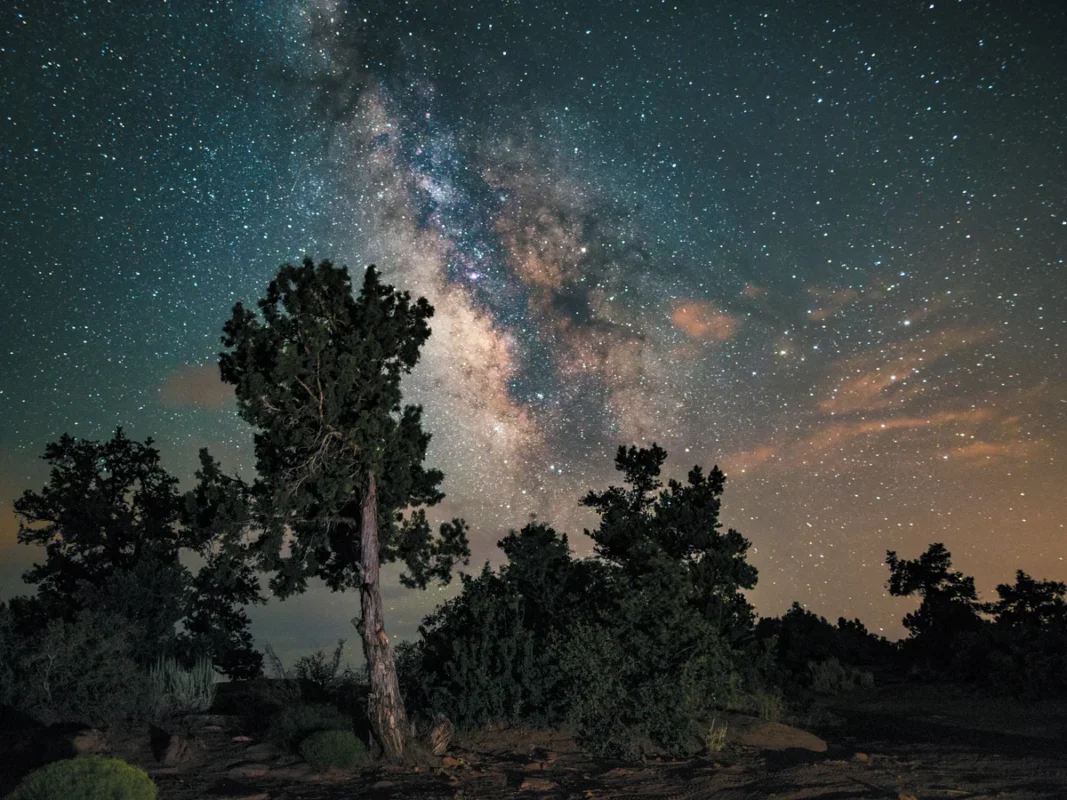
The Milky Way is a vast spiral galaxy containing billions of stars—what you see from Earth is just a small part of it.
Beyond the Milky Way, the night sky offers other features worth observing tonight.
The Milky Way is just one feature of the night sky.
You might also see the Moon, planets, constellations, and bright stars. These enrich your sky knowledge.
If you want a complete guide to everything visible tonight, this page will help:
Start Looking Up
To know if you can see the Milky Way tonight, just step outside and look.
Find a dark spot and wait for your eyes to adjust. With patience, you will see more.
After seeing it once, you’ll recognize it easily the next time.
Frequently Asked Questions
Can you see the Milky Way tonight? Here’s how to maximize your chances of seeing it.
Yes, if the sky is dark, clear, and free from moonlight or light pollution.
Why can’t I see the Milky Way?
Light pollution, clouds, or a bright Moon make it hard or impossible to see.
What is the best time to see the Milky Way tonight? If you want to see the Milky Way tonight at its brightest, wait until the sky is fully dark.
After the sky becomes fully dark, especially later in the evening.
Does the Milky Way look like photos?
No—it appears as a faint band, not a bright image.
Do you need a telescope to see the Milky Way?
No, it’s best seen with the naked eye in darkness.

Explore beginner telescopes, binoculars, and the best stargazing apps for beginners here: