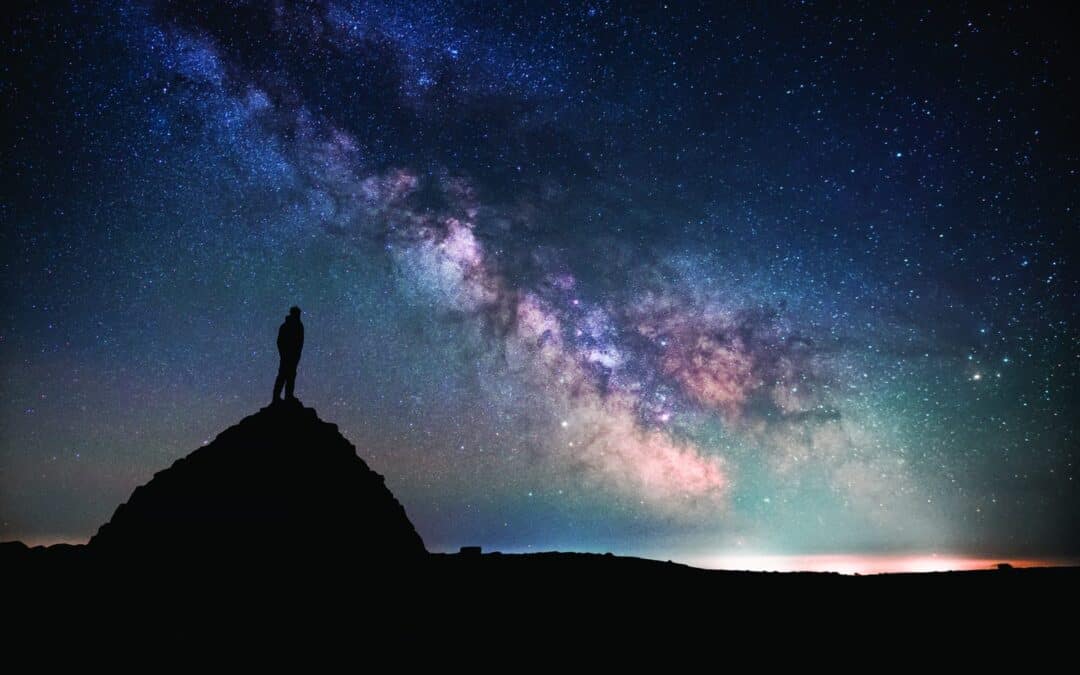
Understanding the Difference Between What You See and What Cameras Capture
Curious why the Milky Way photos look so different from what you see in the night sky? Discover how cameras, dark skies, and human vision shape what’s visible. Find out why Milky Way photos appear brighter and more colorful, and learn tips for seeing more of our galaxy with your own eyes.
Have you ever seen a breathtaking photograph of the Milky Way stretching across the sky in brilliant colors and incredible detail, only to step outside on a clear night and wonder why you can’t see anything like it?
You’re not alone.
Beginner astronomers often wonder why the Milky Way doesn’t match its pictures, leading to disappointment with the real view.
The good news is that nothing is wrong with your eyes.
The Milky Way is there.
The difference comes from how cameras and eyes work.
The Milky Way Is Visible To The Naked Eye
First, let’s clear up a common misunderstanding.
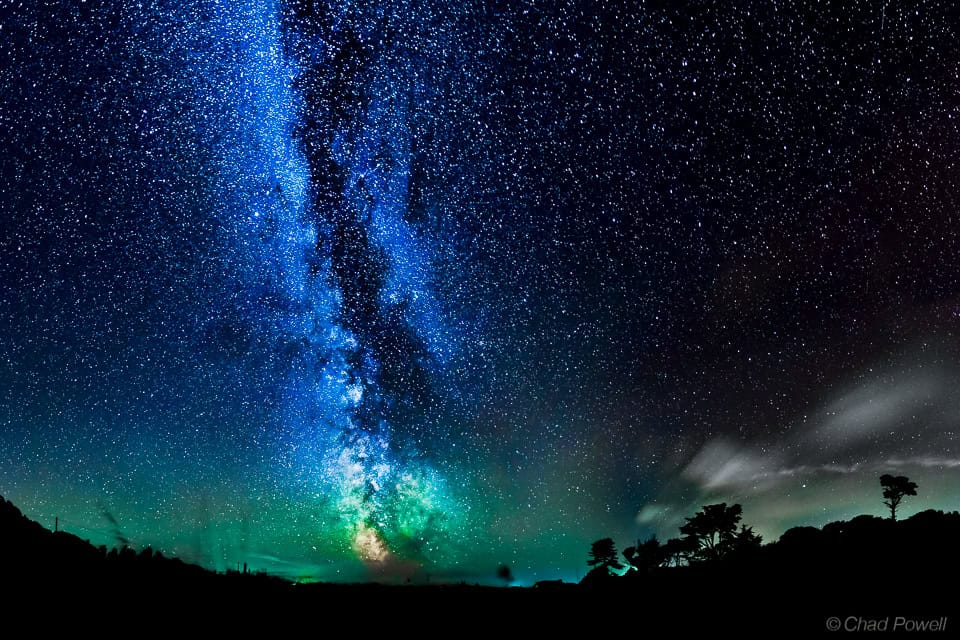
The Milky Way is not only visible in photographs or through a telescope.
Under dark skies, the Milky Way often appears as a faint, diffuse band across the sky.
What you are actually seeing is the combined light of billions of distant stars within our home galaxy.
To many beginners, it looks more like a pale river of light than the colorful images they see online.
And that’s perfectly normal.
Why Photographs Look So Different
Exposure time is the main reason the Milky Way photos look more dramatic than they actually do.
Your eyes work in real time.
A camera can collect light for several seconds, several minutes, or even several hours.
Longer exposure reveals more detail.
Think of it this way:
Imagine trying to collect rainwater.
Your eyes are like holding out a small cup for a brief moment.
A camera is like leaving a bucket outside all night.
The bucket collects far more water.
A camera collects much more light than your eyes in a short glance.
As a result, photographs reveal details that are invisible to the naked eye.
The Human Eye Is Remarkable—But It Has Limits
Human vision is incredibly sophisticated.
Our eyes excel at detecting movement and adapting to changes in light.
However, they are not designed to see faint colors in very dark conditions.
At night, your eyes switch primarily to low-light vision.
This allows you to see faint objects more easily, but color perception becomes much weaker.
That is why the Milky Way often appears grey, white, or slightly silvery rather than the vivid blues, reds, and golds seen in photographs.
The colors are there.
Your eyes cannot detect them very well in the darkness.
https://environmentamerica.org/center/articles/what-is-light-pollution/
Light Pollution Makes A Huge Difference
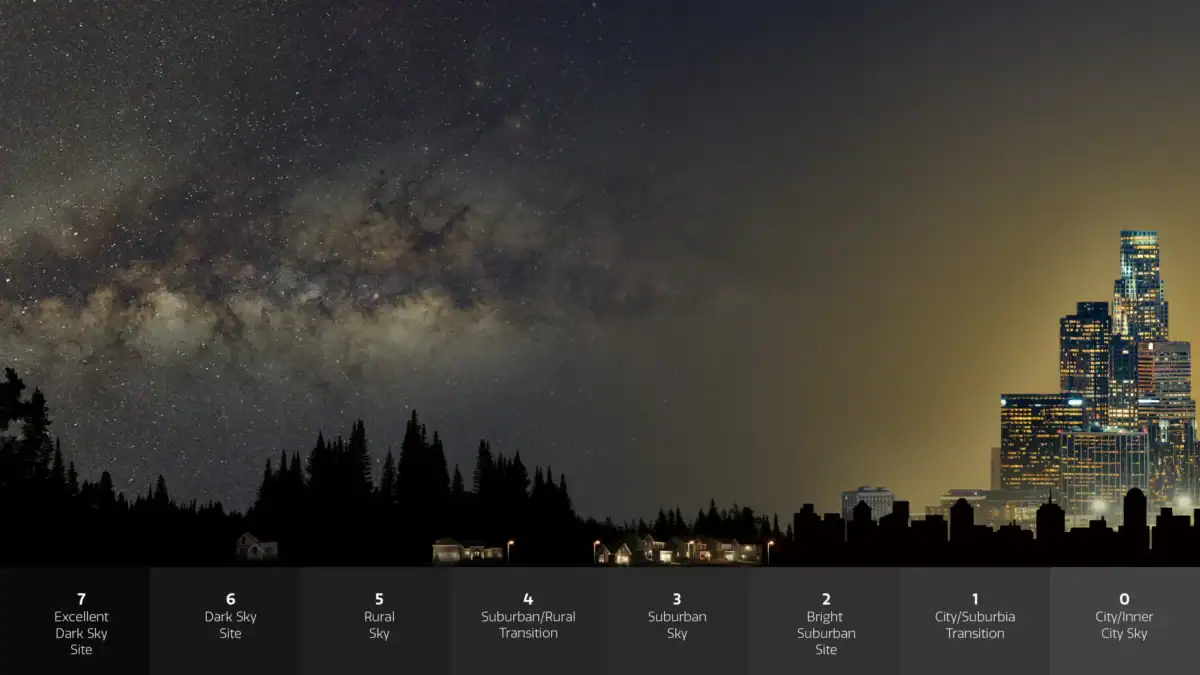
Another reason many people struggle to see the Milky Way is light pollution.
Streetlights, shopping centers, sporting facilities, and city skylines create a glow in the atmosphere that washes out faint celestial objects. A clear sky can look empty if there’s too much artificial light.ght.
This is why people living in rural areas often see far more stars than those living in cities.
The darker the sky, the easier it becomes to see the Milky Way. The first trip to a truly dark location can be life-changing.e.
Suddenly, thousands of stars appear where only a few hundred were visible before.
Moonlight Matters Too
Many beginners overlook another important factor.
The Moon is incredibly bright.
A full Moon can wash out much of the night sky and make the Milky Way difficult or impossible to see. For best viewing, observe near a New Moon when the sky is darker.
You may be surprised by how much more becomes visible.
What Should You Expect To See?
This is the most important question of all. Under dark skies, the Milky Way looks like a sky.
- A cloudy or misty-looking river of light.
- Brighter in some areas and darker in others.
- More obvious after your eyes have adjusted to the darkness. It usually doesn’t resemble online photos.e Experienced stargazers often note something interesting.
Seeing the Milky Way with your own eyes is often more impressive than any photograph.
There is something deeply moving about standing beneath our galaxy and realizing that every star you can see is part of the same vast cosmic home.
Give Your Eyes Time
One of the simplest ways to improve your view of the Milky Way is to be patient.
Allow your eyes at least 20 to 30 minutes to adapt to the darkness.
Please don’t look at your phone or other bright lights.
As your night vision improves, more stars will gradually appear, and the Milky Way may become easier to see. Many beginners take a quick look and assume there is nothing.
Sometimes the best views come after simply spending time under the stars.
Final Thoughts
If the Milky Way doesn’t look like the photographs you’ve seen online, don’t be discouraged.
The photographs are real, but they are capturing far more light than your eyes can gather. The real Milky Way is more subtle.
It appears as a gentle river of starlight stretching across the darkness.
And that makes it even more remarkable.
The next time you find yourself beneath a clear, dark sky, take a moment to look up.
You are looking across the disk of a galaxy more than 100,000 light-years wide, containing hundreds of billions of stars, not through a telescope or camera.
Not through a camera.
But with your own eyes.
And that’s a pretty amazing thing.

For more expert advice and information