For most people, stargazing begins with a moment of quiet curiosity. Learn how to start stargazing with this beginner-friendly guide. Discover seven essential steps that make exploring the night sky simple and rewarding.
Perhaps it happens on a clear evening when the sky suddenly feels larger than usual. A bright planet appears above the horizon, or the Moon rises slowly through thin clouds. In those moments, it becomes natural to wonder what else might be waiting above us.
Many beginners believe astronomy is complicated or needs expensive equipment. In truth, starting stargazing is much simpler than most expect.
Stargazing starts with attention, not technology. The night sky is full of unaided-eye wonders, and knowing where and how to look matters more than the equipment.
In summary, anyone can start stargazing by following a few simple steps and practicing a bit of patience. The key is to begin with curiosity and a willingness to explore.

Begin by Finding a Darker Sky
Darkness matters most in stargazing.
City lights wash out much of the night sky. Thousands of stars vanish behind a faint glow called light pollution.
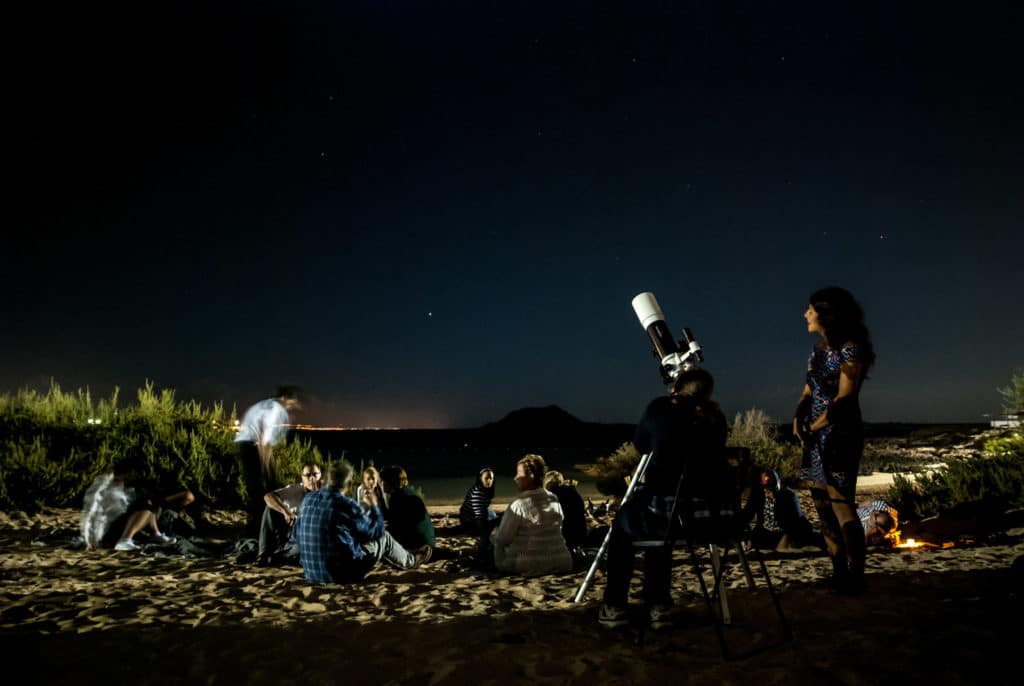
Moving even slightly from bright lights can reveal more stars. Parks, beaches, countryside, or rural areas show far more than lit neighbourhoods.
When the sky becomes truly dark, the Milky Way may appear as a faint river of light stretching across the heavens. For many people, this is the moment when the scale of the universe begins to feel real.
Allow Your Eyes Time to Adjust
One of the most overlooked aspects of astronomy is the way our eyes adapt to darkness.
After stepping outside at night, it usually takes around twenty minutes for our vision to fully adjust. During this time, the eyes become more sensitive to faint light, allowing subtle stars and distant objects to appear.
Bright lights undo this quickly. Even a glance at your phone can reduce night vision.
Astronomers use red flashlights for star charts. Red light interferes less with night vision.
Remember: allowing your eyes to fully adjust can reveal many more stars than you expected. This simple patience is essential for successful stargazing.
Start by Learning the Sky With Your Eyes
Before using any equipment, it is worth taking a moment to look upward.
The human eye is capable. Several thousand stars are visible under dark skies, along with planets, meteor showers, and the Milky Way’s glow.
Learning a few of the major constellations helps beginners navigate the sky with confidence. Constellations serve as signposts that guide observers to other objects and help them understand what they can see in the night sky tonight.
For example, Orion is easy to recognize and leads observers to the Orion Nebula, a beautiful stellar nursery visible from Earth.
Understanding these patterns transforms the night sky from a random scatter of stars into a structured, meaningful pattern.

Why Many Beginners Start With Binoculars
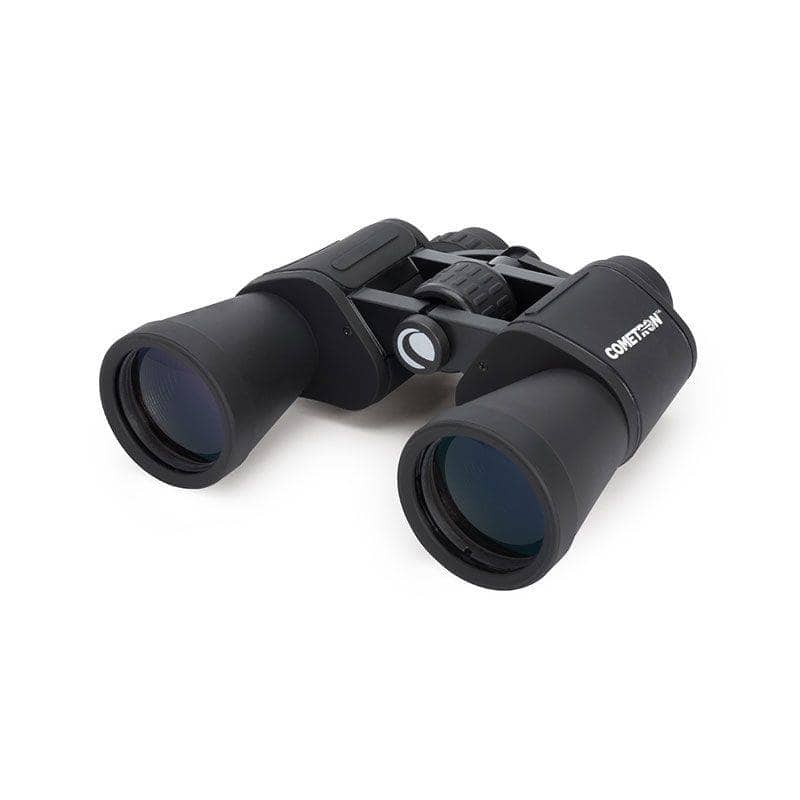
While telescopes capture the imagination, many experienced astronomers suggest starting with binoculars.
Binoculars offer a wide field of view, allowing beginners to comfortably explore large areas of the sky. Star clusters, sections of the Milky Way, and even distant galaxies become easier to locate.
They are simple to use. There is no setup, and they encourage natural movement across the sky.
For many people, binoculars serve as a bridge between casual curiosity and deeper exploration of astronomy.
The Moon and Planets: Perfect First Targets
Once you know the night sky, certain objects reward beginners most.
The Moon is often the first and most memorable target. Even modest equipment reveals craters, mountains, and shadowed valleys across its surface.
Bright planets attract attention. Jupiter appears as a bright point and, through a telescope, shows bands and four moons. Saturn, with its rings, inspires generations.
This firsthand observation of the Moon and planets can create a lasting sense of wonder and connection—one of the most rewarding aspects of stargazing for beginners.
You may enjoy learning more about this experience in our guide:
Learning to Observe Slowly
Astronomy does not reward rushing.
The longer you look through binoculars or a telescope, the more details appear. Faint stars emerge. Nebulae show texture. Planets reveal features that were not obvious.
Experienced observers often describe this process as learning to see rather than simply looking.
Overall, stargazing thrives on patience and curiosity. The journey is personal, and the most meaningful discoveries come from taking your time and exploring with care.
A Simple Pathway Into Stargazing
Starting astronomy does not require complex preparation. Most find a simple progression helpful.
First, learn the sky and observe the Moon and bright planets. Then explore star clusters and nebulae with binoculars. Only later, when curiosity grows, consider a telescope.
This gradual approach lets beginners gain confidence and enjoy the night sky without being overwhelmed.
If you are starting your journey into astronomy, you might find these guides helpful:
The Quiet Reward of Looking Up
In a fast world, stargazing offers a rare perspective.
The stars are ancient. Some light reaching Earth tonight began its journey thousands or millions of years ago.
Standing beneath the night sky reminds us that exploration doesn’t always require travel. Sometimes it simply takes looking up and wondering what lies beyond our own horizon.
Every astronomer’s journey begins by asking simple questions about the night sky. That curiosity is the most important step to meaningful discovery.

Explore beginner telescopes, binoculars, and the best stargazing apps for beginners here: