How to Find Dark Sky Spots
How to find dark sky spots near you. Escape light pollution and enjoy breathtaking views of stars, planets, and the Milky Way.
Situation: Imagine stepping outside on a clear night in your local area, telescope in hand, ready for your first stargazing adventure.
Tension: But instead of seeing the galaxy sprawled across the sky, you’re staring at a faint orange haze. Streetlights drown out the stars. You feel disappointed, wondering if stargazing is only possible in remote deserts or mountaintops.
Action: Here’s the truth — the stars are still there. You need to know how to find dark-sky spots near you. With the right tools and planning, you can escape the glare and finally see the night sky as it was meant to be seen.
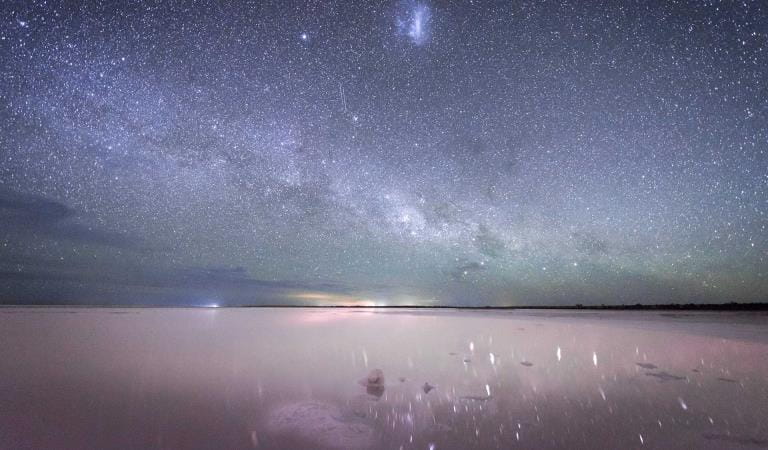
Result: The moment you find a true dark sky location, everything changes. Thousands of stars shine overhead. The Milky Way glows like a cosmic river. What once seemed invisible suddenly feels alive and within reach.
Why Dark Skies Matter
When we talk about stargazing, most beginners imagine lying back and instantly spotting constellations. The reality can be harsher.
In a busy town or city, light pollution creates a permanent twilight. Street lamps, car headlights, and building signs send light upward, scattering across the sky. The result? Only the brightest objects pierce the glow.
Here are some quick numbers to bring it home:
In a brightly lit city, you might see fewer than 100 stars.
In suburban areas, you could catch 300–500 stars.
In a certified dark sky location, the number jumps to 2,000–3,000 stars or more.
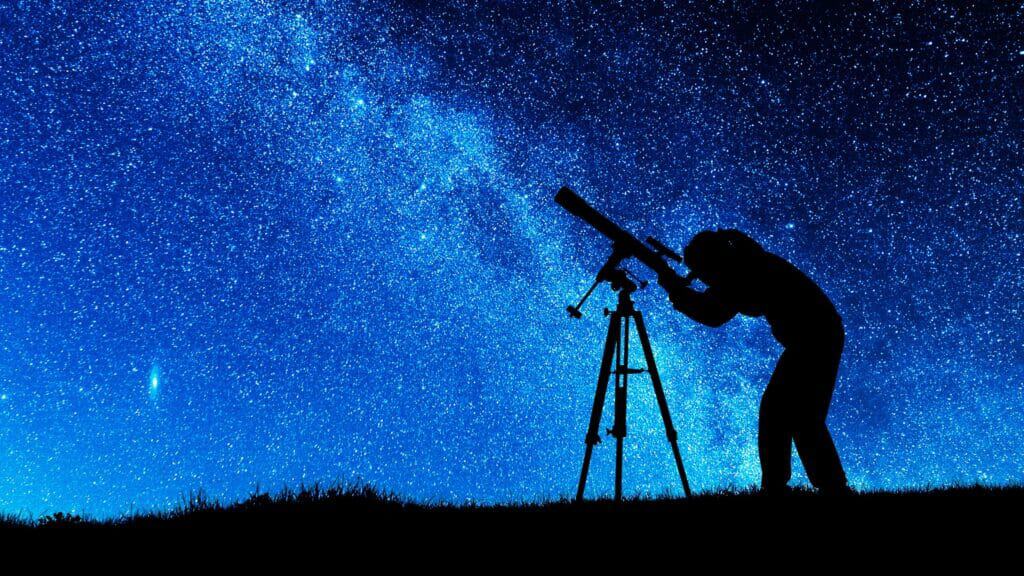
When you learn how to find dark-sky spots near your local area, you unlock details that were previously invisible. Star clusters pop into view. Nebulas reveal faint colors. You might even catch a glimpse of the Andromeda Galaxy with your naked eye.
Dark skies also bring peace. Away from the buzz of traffic and screens, the quiet night wraps around you. For many beginners, it’s a reminder of how vast the universe is — and how refreshing it feels to disconnect.
Tools to Help You Find Dark Sky Spots Near
You don’t need to rely on luck. Today’s technology makes it easy to find dark sky spots near you.
Light Pollution Maps
Websites like Light Pollution Map and Dark Site Finder are essential tools. They use satellite data to show how much artificial light spills into the sky across your local area.
White and red areas mean heavy light pollution — city centers and suburbs.
Yellow and green zones are better, but still not perfect.
Blue and black areas are the darkest skies you’ll find.
Start by locating your home on the map. Then trace outward until you find the nearest darker zone. That’s your target.
Local Astronomy Clubs & Communities
Sometimes the best way to discover dark sky locations is to ask those who already know. Astronomy clubs in your local area often share secret spots where the skies are stunning.
Joining a group has other benefits too:
Learn how others find the best dark-sky spots near you.
Attend star parties and meetups where experienced stargazers bring their telescopes.
Ask questions in Facebook groups — you’ll get real-time local advice.
Google Maps and Satellite Tools
Even without a fancy app, you can start with Google Maps. Look for green areas (parks, forests, or reserves) that are far from bright urban centers.
Once you’ve found a candidate location, cross-check it with a light pollution map. You want to confirm it’s truly dark, not just a suburb with a few streetlights.
Many people are surprised to learn that incredible dark-sky areas are only 60–90 minutes from your local area. That’s a quick evening drive that rewards you with unforgettable views.
Stargazing Apps as Navigation Partners
Stargazing apps are your best friend on location. They not only help you identify stars but also suggest where to go.
This year’s stargazing apps for beginners 2025 are smarter and easier to use than ever. Some even show live cloud coverage and atmospheric clarity, so you know in advance which direction will give you the clearest sky.
I’ll be covering the best stargazing apps for beginners in 2025 in detail in the next article. For now, know that combining an app with your beginner stargazing checklist printable helps ensure smooth, stress-free nights.

What to Pack for a Dark-Sky Adventure
Learning how to find dark-sky spots near you is exciting, but preparation ensures you can actually enjoy the experience.
Stay Comfortable
Even in summer, nights can be surprisingly cold. Pack a warm jacket, gloves, and a blanket. Bring a reclining camping chair so you don’t have to strain your neck.
Pack the Essentials
Use your beginner stargazing checklist printable before leaving. Include water, snacks, bug spray, and any medications you may need.
Don’t forget a red flashlight and spare batteries. White light will ruin your night vision, but red light preserves it.
Gear for the Sky
A beginner telescope from High Point Scientific makes a world of difference under a dark sky. If you’re not ready for a telescope, a sturdy pair of binoculars is an easy first step.
Add a smartphone adapter mount if you’d like to capture photos of the moon or planets. You’ll love having your first shots to share.
Real Story – From Lost to Starstruck
Situation: Sarah had just bought her first telescope. Living in your local area, she dreamed of seeing the stars up close.
Tension: The first few times she tried, city lights spoiled everything. She could barely find a handful of stars. She felt she had wasted money.
Action: After searching for dark sky spots near her area, she discovered a rural park just 45 minutes away. With her beginner stargazing checklist printable in hand, she packed her telescope, snacks, a thermos, and a blanket.
Result: That night, she saw more stars than she ever imagined possible. Saturn’s rings glowed in her scope, and the Milky Way arched across the sky. What started as frustration turned into a lifelong passion.

Expert Tips to Maximize Your Dark-Sky Experience
As someone who has guided beginners, here are proven ways to make your night a success:
Arrive Early
Set up before the sun goes down. It’s much easier to align your gear while there’s still daylight.
Let Your Eyes Adjust
Your eyes need 20–30 minutes to adapt to the dark fully. Avoid bright phone screens during this time.
Use Apps Wisely
Bring stargazing apps for beginners 2025 on your phone. Use them for orientation, but don’t rely on them alone.
Document the Experience
A notebook lets you sketch constellations or record what you see. Later, these notes become a timeline of your progress.
Action Step
This week, answer the question: Do I know how to find dark-sky spots near my local area? If not, it’s time.
Open the Light Pollution Map.
Look for gray or black areas.
Choose one spot within a short drive.
Print your beginner stargazing checklist.
Pack your beginner telescope or binoculars, a red flashlight, and a blanket.
Go. Watch the night sky open up.
Conclusion – Your Invitation to the Stars
The stars are there every night. They haven’t gone anywhere — but city lights can hide them. Learning how to find dark-sky spots near you is the simplest way to bring them back.
With tools like light pollution maps, local astronomy clubs, and the latest stargazing apps for beginners in 2025, you’ll always know where to go. Pair your app with a beginner stargazing checklist printable, and you’ll never leave behind the gear you need.
Your first night under a truly dark sky will feel unforgettable. You’ll see the Milky Way stretch across the horizon, watch planets rise, and maybe even catch a meteor shower.
👉 Ready to experience the night sky in its full glory? Start today, plan your first dark-sky trip near you, and take your next step into the universe.