Introduction
Use this telescope buying guide to find out how much astronomy knowledge you need before buying your first telescope. Learn about sky basics, practical skills, and how to prepare for a satisfying stargazing experience.
Many beginners worry that they need to know almost everything before buying their first telescope. They assume that until they have memorized the names of every constellation, mastered telescope optics, and learned how to pinpoint distant galaxies by memory, they aren’t qualified to own equipment. Remember, astronomy is a journey best enjoyed with others. Whether you’re reading, using an app, or sharing the sky with fellow enthusiasts, there are many ways to learn and grow that don’t require mastery before you buy your first telescope.
You don’t.
Learning astronomy isn’t about reaching an imaginary finish line, nor is there an entry exam you need to pass before unboxing your first instrument. It is entirely about knowing just enough to enjoy taking the next step. A telescope should be an invitation to explore, not a reward for years of textbook study.
The Myth of “Knowing Enough”
It is surprisingly common for aspiring stargazers to delay buying a telescope for years, trapped by the belief that they need expert-level background knowledge first. This myth often stems from seeing seasoned observers navigate the sky with total ease, making it look as though they were born with a star atlas in their heads.
The reality is that astronomy is a hobby learned over a lifetime, not in a weekend. Nobody ever truly finishes learning the night sky, because the sky is constantly changing and revealing new layers. Waiting until you feel like an “expert” means you will be waiting forever. You only need a basic foundation to get started; the real learning happens once you start looking through the eyepiece.
In fact, spending time with astronomy clubs or online forums can help break this cycle. Seeing how others learn by doing—often making mistakes or asking questions—can be far more reassuring than studying alone.
What You Should Actually Know
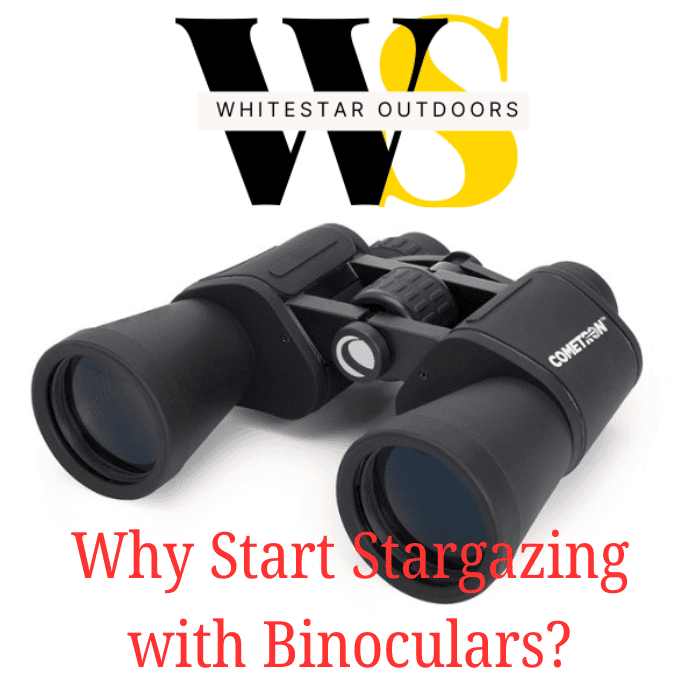
Instead of trying to check off a strict list of textbook facts, focus on a few broad, practical areas that will help you find your footing when you set up your telescope for the first time. If you’re unsure about jumping in, try starting with a good pair of binoculars. They’re affordable, easy to use, and can reveal surprising details on the Moon and bright clusters. This hands-on experience will make your transition to a telescope smoother and more rewarding.
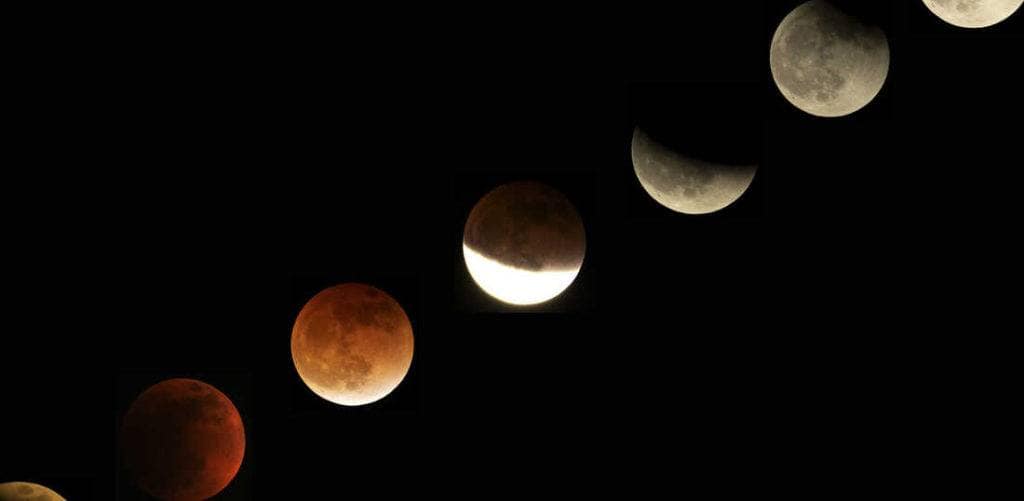
This combination of pictures shows the moon in various stages of the total lunar eclipse during the first blood moon of the year
Recognizing the Moon and Its Rhythm
Start by spending a little time watching our closest neighbor. You don’t need to know every crater by name, but getting used to its phases and learning when it rises and sets will make a huge difference. Observing the Moon along the terminator line—where shadow meets light—reveals incredible detail that changes every night.
Identifying the Bright Planets
You should be able to step outside and pick out the brightest planets with the naked eye. Jupiter, Venus, Mars, and Saturn are easily visible at various points in the year and don’t twinkle the way stars do. Knowing generally where to look for them gives you instant, high-reward targets the moment you set up your telescope. Planetarium apps for your phone make it even easier to identify these planets and track their positions throughout the year.
Understanding How the Night Sky Changes
The sky above you isn’t static; it shifts with the seasons. Stars that dominate the winter sky, like those in Orion, give way to completely different constellations in the summer. Recognizing that the sky changes throughout the year prevents you from searching for targets that aren’t currently visible in your hemisphere. You’ll also discover that where you observe from matters—a darker site away from city lights can make the sky feel brand new, even if you’ve seen it many times before.
Learning How to Find Your Way Around
Get comfortable using basic tools to orient yourself, such as a paper star chart or a smartphone astronomy app like Stellarium. You don’t need to memorize the positions of hundreds of stars—you need to know how to use your chosen guide to bridge the gap between what you see on a screen or map and what you see in the sky. You don’t need to memorize hundreds of stars.
You need a reliable way to connect what you see on a map with what you see overhead.
What You Definitely Don’t Need to Know
Just as important as knowing what to learn is realizing what you can safely ignore when you are just starting. Worrying about advanced technical details too early only creates unnecessary frustration.
You do not need to memorize every single constellation, nor do you need to understand complex celestial coordinate systems like Right Ascension and Declination.
You don’t need to be an expert on optical glass coatings, focal ratios, or the physics of mirror alignment. You certainly don’t need to know anything about astrophotography, long exposures, or image stacking. Advanced astronomy concepts will make sense in time if you choose to explore them, but none of them are required to enjoy crisp, beautiful views of the planets and the Moon.
Curiosity Matters Far More Than Knowledge
When you look at the most fulfilled amateur astronomers, the trait they all share isn’t a massive storehouse of facts—it is genuine, ongoing curiosity. Curiosity is what keeps you warm on a chilly evening and gives you the patience to align a finder scope or tweak a focuser until an image snaps into sharp view.
Knowledge grows naturally out of curiosity. When you spot a faint glow in the sky and wonder what it is, you look it up.
The moment you see Jupiter’s four bright moons lined up like tiny pearls, you naturally want to learn their names. Curiosity turns learning into a rewarding byproduct of observing, rather than a chore you have to complete before you start. This curiosity also helps you push through cloudy nights, technical hiccups, or confusing star maps—knowing that every session, even the challenging ones, brings you closer to the sky.
The Learning Never Stops
One of the greatest joys of astronomy is that there is always something new to discover. Every season brings a fresh rotation of constellations, every planet moves on its own path, and every clear night offers a slightly different view depending on atmospheric conditions. Along the way, you’ll pick up simple skills like caring for your telescope—keeping optics clean, storing it properly, and handling dew or dust.
These small bits of knowledge ensure your equipment is always ready for the next clear night.
Buying your first telescope isn’t the final milestone after a long period of study; it is simply another chapter in your journey.
The telescope isn’t a trophy for what you already know, but a tool that opens up a lifetime of asking new questions and making discoveries.
Conclusion
One of the wonderful things about astronomy is that there is always something new to learn. You don’t need to know it all before you begin—you need enough curiosity to take the next step.
If you can step outside and recognize a few familiar objects in the night sky…
If you’re curious about what lies beyond what your eyes can see…
If you’re excited to keep learning…
Then you already know enough to begin.
Don’t wait until you know everything.
In astronomy, none of us ever does.
That’s part of what makes the journey so rewarding.
Do not wait until you know everything before leaping.
Explore beginner telescopes, binoculars, and the best stargazing apps for beginners here: