
Binoculars for Stargazing Beginners
Try this first before you buy that telescope. Binoculars for stargazing beginners. Why do you say that, you may ask. Well, so you’ve caught the astronomy bug.
Maybe it was a breathtaking moonrise, a meteor shower, or just a peaceful moment under the stars. You feel drawn to the sky—and now you’re thinking: “I need a telescope!”
But here’s the honest truth…
Before you spend hundreds (or thousands) on complex gear, there’s a smarter, simpler, and more rewarding path for most beginners:
Start with binoculars for stargazing beginners.
That one decision could save you money, reduce frustration, and build your confidence faster than any telescope ever could.
The Tension: What Most Beginners Get Wrong
New stargazers often dive headfirst into buying telescopes—then feel overwhelmed by technical settings, poor results, and confusing setup. The telescope might not deliver the jaw-dropping views you imagined, especially if you haven’t yet learned how to properly align it, track objects, or even find your way around the sky.
Telescopes have a learning curve, and if you’re not ready for it, the excitement can fizzle out fast. For many, this leads to disappointment, discouragement, and sometimes abandonment of what could have been a lifelong passion.
You might even stash the telescope in a closet after a few attempts and think: “Maybe astronomy’s not for me after all.”
But the issue isn’t your interest—it’s the entry point.
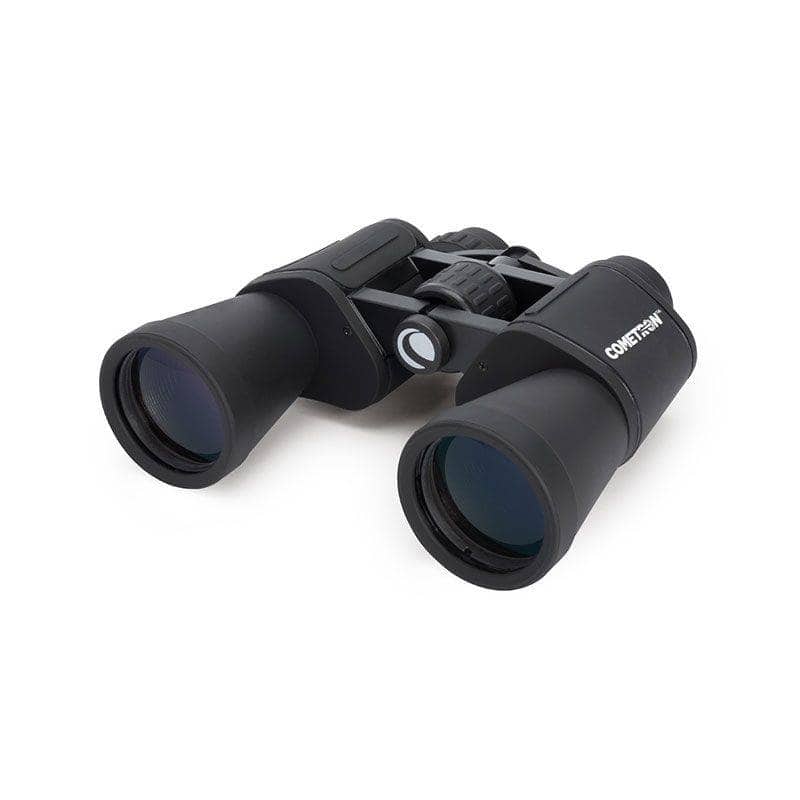
That’s why starting with binoculars for stargazing beginners makes so much sense. It gives you time to learn the sky, get comfortable navigating constellations, and enjoy early wins—without the pressure of mastering complicated equipment. You build confidence gradually, and with each successful observation, your curiosity only grows stronger.
The Action: Why Binoculars Make the Best First Step
Here’s why binoculars are the ultimate beginner’s tool:
🔭 1. You Already Know How to Use Them
No eyepiece alignment. No mount adjustments. Just lift them up and look. That simplicity lets you focus on learning the sky—not learning gear. And that means more time enjoying the stars, less time reading manuals or watching how-to videos.
🌌 2. You See More Than You Think
With binoculars for stargazing beginners, you can spot:
- The craters on the Moon in sharp detail
- Jupiter and its four brightest moons
- Star clusters like the Pleiades
- Bright nebulae like the Orion Nebula
- The phases of Venus and even some double stars
This makes the night sky come alive without the need for zoomed-in magnification. It’s about immersion and orientation—getting your bearings, falling into rhythm with the cosmos, and building a sense of place in the universe.
💰 3. They’re Affordable and Portable
You can get quality stargazing binoculars for under $150. They’re lightweight, travel-friendly, and don’t require tripods or tracking software. That means more spontaneous nights under the stars, more opportunities to learn from real-world experience rather than theory. They fit in your backpack and go wherever your curiosity takes you.
🧠 4. You Build Confidence Before Upgrading
Binoculars help you learn sky navigation—how to find north, how constellations shift through seasons, and how to star-hop. That foundation pays off when you eventually use a telescope. Instead of staring blankly through a powerful scope with no idea what you’re seeing, you’ll be able to say, “There’s M45. And there’s Orion’s Belt. Let’s zoom in.”
This layered approach to learning mirrors how we master anything: by starting small, building a base, and expanding from a place of knowledge and confidence.
The Result: A Better Stargazer—Right From the Start
Starting with binoculars for stargazing beginners sets you up for long-term success. You’ll gain clarity, confidence, and connection without getting bogged down in frustration. You’ll experience wonder, not just confusion. You’ll engage with the night sky on its terms, and that relationship will deepen over time.
And when you’re ready to upgrade to a telescope, you’ll know exactly what you want, need, and how to use it. You won’t be guessing. You’ll be exploring with purpose.
“I started with binoculars on my back porch. Six months later, I was helping my neighbors find Saturn. Now I look up and feel like I belong up there.”
That’s the real goal, right? Not just to own equipment, but to feel at home in the universe.
🏱 FREE RESOURCE:
Want help choosing your first pair of stargazing binoculars?
Download our Before You Buy That Telescope, Try This First…”?