When Is the Best Time to Go Stargazing? (Quick Answer)
– Best time of night: **1–2 hours after sunset**
– Best nights: **clear, moonless nights**
– Best time of year: **autumn and winter for clearer skies**
– Avoid: **full moon and heavy light pollution**
The Best Time of Night for Stargazing
A noticeable change occurs as night deepens.
After sunset, lingering twilight makes the sky bright, and only the brightest stars and planets are visible. As full darkness arrives, more stars emerge.
Many experienced observers find that the best stargazing conditions occur between midnight and the early hours of the morning, when the sky is at its darkest.
By this time, the Sun is far below the horizon, and the sky is at its darkest.
As night continues, Earth’s rotation reveals new constellations.
How the Moon Affects Stargazing
The Moon plays a major role in how much you can see in the night sky.
While the Moon is one of the most beautiful objects to observe, it can also make faint celestial objects difficult to see.
A full Moon brightens the sky and hides many stars.
For observers interested in star clusters, nebulae, or the Milky Way, the best time to stargaze is during the new moon phase, when the Moon is not visible.
During darker, moonless nights, the sky reveals far more stars, galaxies, and faint objects.

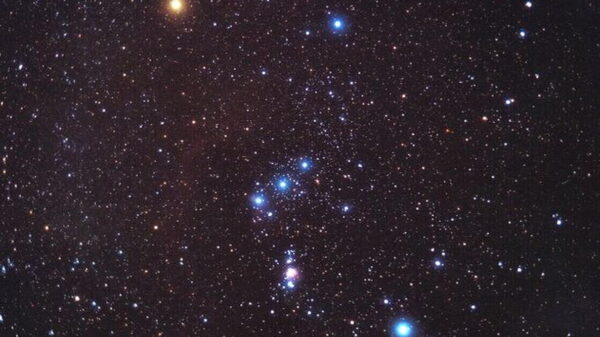
Orion the Hunter Reigns in the Winter Sky
The Best Seasons for Stargazing
The night sky changes slowly throughout the year as Earth orbits the Sun.
Different constellations and celestial objects become visible in different seasons.
Winter skies often feature brilliant constellations such as Orion and Taurus, while summer skies reveal the glowing band of the Milky Way stretching overhead.
Many astronomers prefer late spring to early autumn for warmer, longer observing.
Each season offers highlights, making stargazing a hobby that evolves throughout the year.
Weather and Atmospheric Conditions
Even the most perfect night sky can be obscured by poor weather.
Clouds block stars; humidity, dust, and turbulence distort views.
Clear, dry air brings sharper views. High, remote areas offer steadier conditions.
Checking forecasts before heading out increases the odds of a clear night.
Dark Locations Make the Biggest Difference
Distance from artificial light is the most important factor for stargazing.
Cities and suburban areas produce a glow that spreads across the sky, washing out faint stars and distant galaxies. In heavily populated areas, only the brightest stars remain visible.
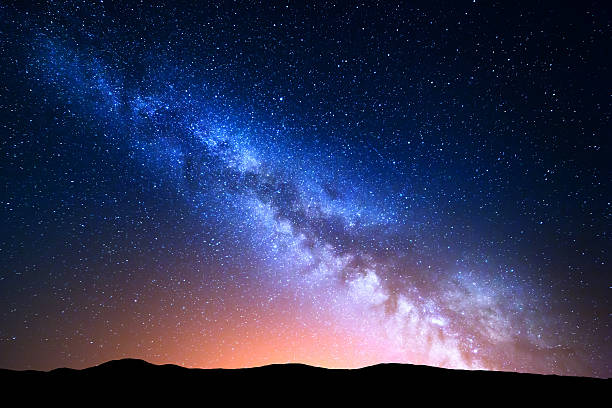
Even a short drive from city lights transforms the view. Under dark skies, thousands of stars and the Milky Way appear vividly.
For many beginners, seeing a truly dark sky for the first time deepens their appreciation.
Key takeaway: Seek out the darkest locations to see the most stars and detail.

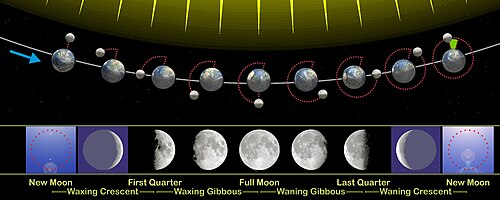
Phases of the Moon
In addition to the usual factors, special celestial events can truly enhance your stargazing experience:
Meteor showers occur when Earth crosses comet debris. At their peak, dozens of meteors appear each hour.
Planetary alignments, eclipses, and bright comets also offer memorable opportunities.
These events show the sky always changes, offering new reasons each season to look up. Key takeaway: Special celestial events create memorable opportunities throughout the year.
With all these considerations, starting your stargazing journey is still the most crucial step:
A clear night, dark location, and patience reveal the sky’s beauty.
If you are new to astronomy, you may enjoy these guides to help start observing:
Conclusion
The best time for stargazing depends on the availability of dark skies, moon phases, weather, and other events. Understand these elements and plan ahead to enjoy the universe. The best time is any clear, dark night—just step outside and explore.

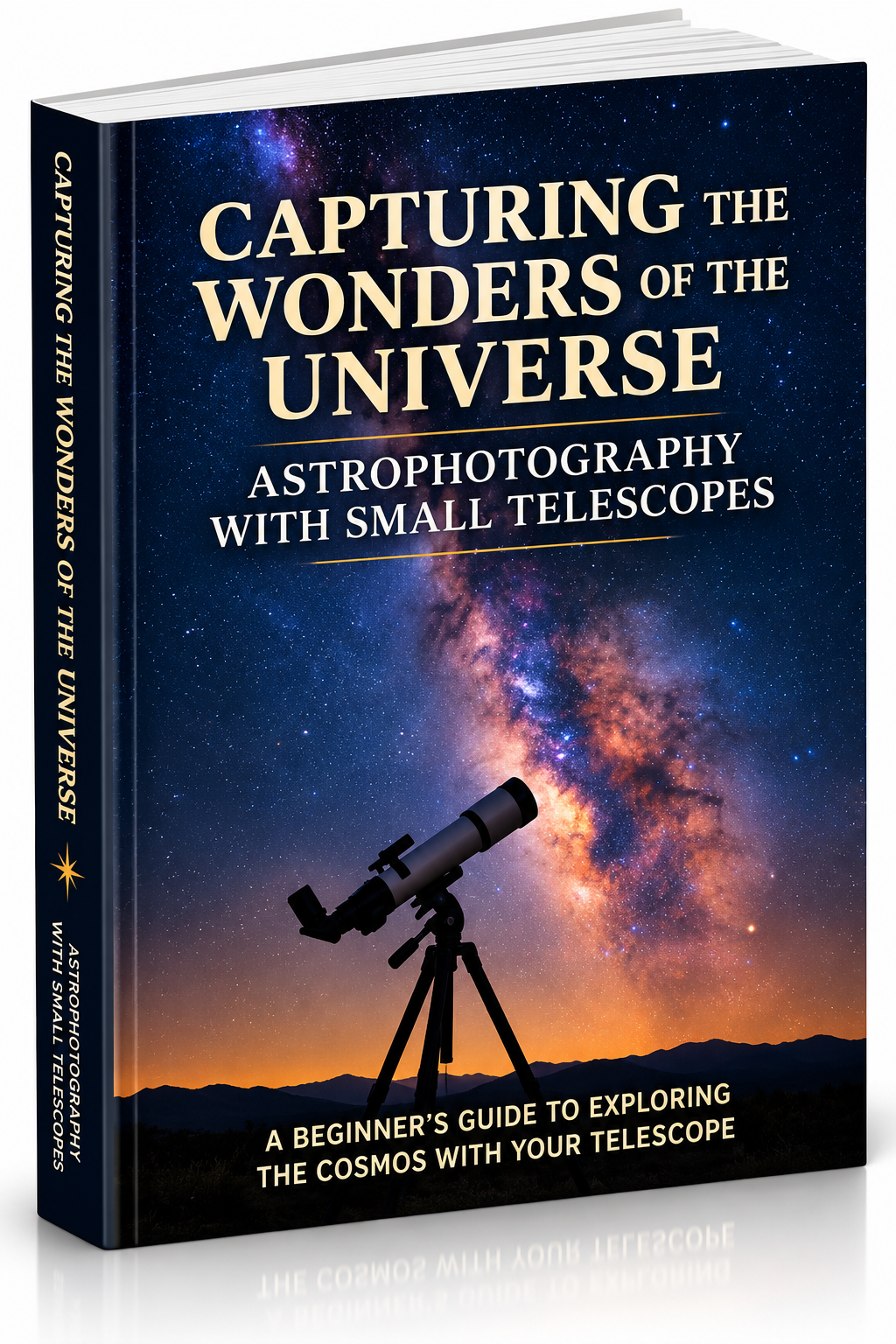
Explore beginner telescopes, binoculars, and the best stargazing apps for beginners here: