Beginner’s Guide to Stargazing For Telescope Buyers
The beginner’s guide to stargazing is designed for telescope buyers who are new to astronomy and want to make smart, confident choices. This beginner’s guide to stargazing will walk you through everything you need to know as a first-time telescope buyer. Stargazing is more than pointing a telescope at the sky—it’s a way to reconnect with awe, curiosity, and the vast unknown. If you’ve ever stared up at the night sky and thought, “Where do I even begin?” you’re not alone. This guide is here to walk you through every step of your astronomy journey—from your first constellation to your first telescope purchase.
Let’s help you make the sky your second home.
Why Stargazing Is the Perfect Beginner Hobby for Telescope Buyers
In a world that rarely slows down, stargazing invites you to do exactly that. It’s quiet, immersive, and surprisingly therapeutic. You don’t need to be a scientist or spend a fortune to get started. With just your eyes, a curiosity for the cosmos, and a clear night, this beginner stargazing guide can help you begin an adventure that never runs out of things to show you.
Stargazing offers more than relaxation—it’s a lifelong learning path that constantly rewards your time and effort. Best of all, it’s one of the few hobbies where doing “nothing” actually becomes a powerful, grounding experience.
How Beginner Stargazing Starts Without a Telescope
Before investing in gear, take time to learn the sky with just your eyes. Identifying constellations, the moon’s movement, and the brightness of planets will help you develop a sense of celestial orientation.
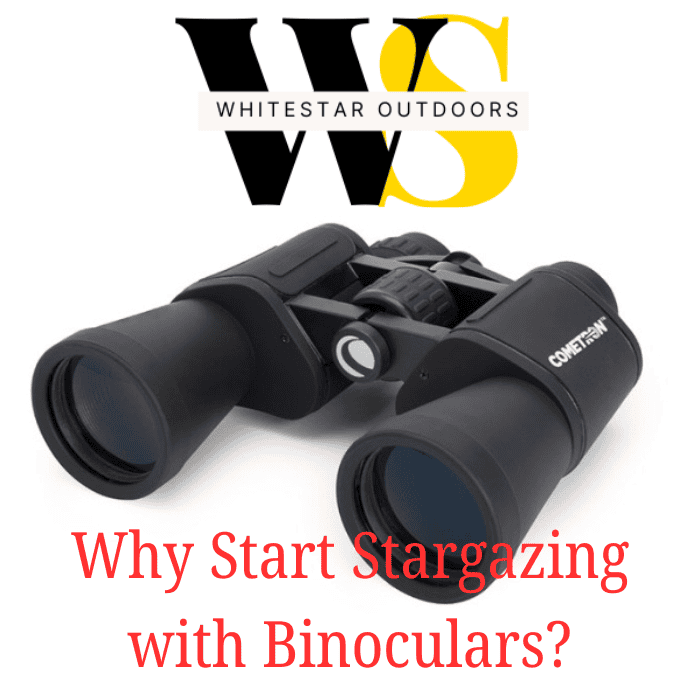
Once you’re comfortable, try a pair of binoculars. They’re affordable and reveal astonishing detail—the craters on the moon, Jupiter’s moons, even the Andromeda galaxy under dark skies.
Avoid rushing into buying a telescope without experience. Many first-time buyers purchase complicated scopes that they struggle to use. Start with simple tools and let your curiosity lead.
Beginner’s Guide to Stargazing Telescope Types
There are three main types of telescopes for beginners:
1. Refractor Telescopes
- Use lenses to gather light
- Low maintenance, easy to use
- Ideal for the moon and planets
2. Reflector Telescopes
- Use mirrors to gather light
- Great for deep-sky viewing (galaxies, nebulae)
- Require occasional alignment (collimation)
3. Compound (Catadioptric) Telescopes
- Combine lenses and mirrors
- Compact and versatile
- More expensive, but excellent for all-around use
The best scope for you depends on your goals, budget, and where you live. Urban observers may prefer refractors, while rural stargazers often go with reflectors for darker skies.
Budget Guide—What You Get at Each Price Point
👉 Already know your budget and want top-rated scopes? Check out our Best Telescopes in our Beginner’s Guide to Stargazing for detailed reviews.
Under $100:
- Great binoculars
- Stargazing apps
- Star maps
$100–$300:
- Entry-level refractor telescopes
- Basic tripod setups
- Good for lunar and planetary viewing
$300–$600:
- Beginner-friendly reflectors or compound telescopes
- Better light gathering
- More durable and future-proof
$600–$1000+:
- High-quality compound telescopes
- Advanced mounts and tracking features
- Great for deep-sky and astrophotography
Choose based on your level of commitment. You don’t need to go top-end to start, but know that quality gear makes a big difference in your experience.
👉 Explore telescope options from trusted experts at High Point Scientific — great beginner packages and expert advice.
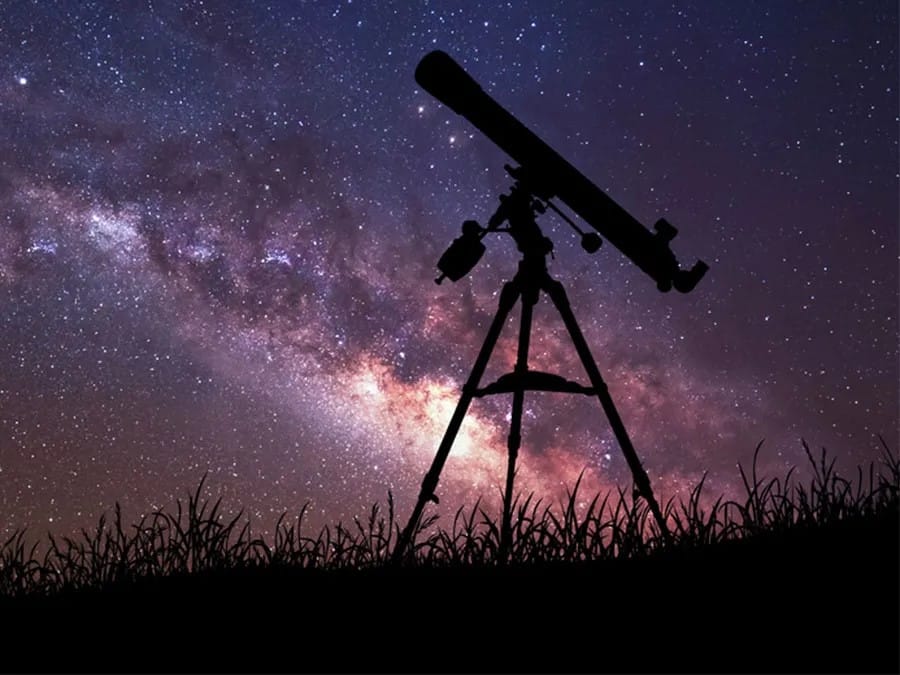
“If you’re new to astronomy, this beginner’s guide to stargazing will help telescope buyers make smart, confident choices from day one.”
Beginner Telescope Accessories to Support Stargazing
Buying a telescope is just the beginning. To make the most of your sessions, you’ll also want:
- A sturdy tripod or mount: Stability is everything
- Red-light flashlight: Preserves night vision
- Moon filter: Reduces glare on lunar views
- Phone adapter: For capturing basic astrophotos
- Star maps or apps: To locate objects in the sky
Start small and add tools as you learn what works best for your setup.
Best Stargazing Conditions for Beginner Telescope Users
Location matters.
The darker your sky, the better your view. Use a light pollution map to find dark spots near your area.
Timing matters too.
Avoid full moons if you want to see galaxies or nebulae. Observe planets when they’re at opposition (closest to Earth). In general, fall and winter offer crisper, clearer skies.
Start with bright, easy constellations like Orion, Ursa Major (Big Dipper), and Cassiopeia.
Beginner Astrophotography Tips for First-Time Telescope Users
Once you’re comfortable with your telescope, try taking your first astrophoto. Start simple:
- Use a smartphone mount on your eyepiece
- Focus on the moon or Jupiter
- Use a timer to prevent blur
Don’t expect NASA-quality shots—but do expect magic. Your first clear photo of the moon will feel like a personal achievement.
Common Beginner’s Stargazing and Telescope Mistakes to Avoid
- Buying a telescope that’s too advanced or hard to use
- Ignoring your local light pollution conditions
- Expecting to see Hubble-quality images
- Forgetting to let your telescope cool down (important for image clarity)
- Overlooking basic tools like red lights or collimation kits
Each mistake is a learning opportunity. The key is patience and persistence.
Beginner’s Guide To Stargazing Wrap-Up and Next Steps
Every night won’t be perfect. But those moments when the clouds part, and Saturn’s rings appear in your viewfinder for the first time? Worth everything.
With time, you’ll not only understand the night sky—you’ll feel at home in it.
Let this guide be your launchpad. Then keep learning, exploring, and sharing the stars.
👉 Ready to go deeper? Explore our beginner’s guide to stargazing 2026 for telescope reviews, gear guides, and stargazing tips at White Star Outdoors.
👉 Need expert help picking your first telescope? Visit High Point Scientific — our trusted partner for beginner-friendly scopes and accessories.