Introduction
Avoid the 5 biggest beginner stargazing mistakes that frustrate new astronomers. Learn what to expect, how to prepare, and how to make your first night a success.
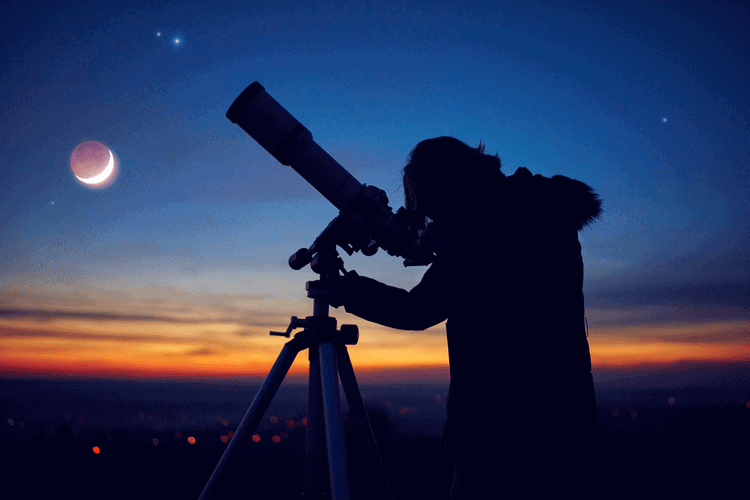
You finally did it. You bought a telescope, waited for a clear night, stepped outside full of excitement… and saw nothing but a blur. Or maybe a shaky image of the Moon. You feel frustrated, underwhelmed, and a bit foolish for thinking it would be magical from the start.
Here’s the truth: that experience is completely normal. Nearly every amateur astronomer makes the same early mistakes.
The good news?
Most are easy to fix. This article breaks down the five most common beginner stargazing mistakes and shows you how to avoid them, so your next night under the stars feels like a breakthrough, not a breakdown.
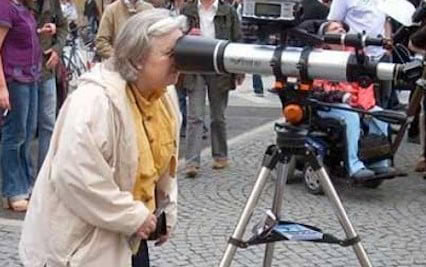
5 Beginner Stargazing Mistakes
Mistake #1: Buying the Wrong Telescope
It’s the most expensive mistake—and the easiest one to fall for. Big-box stores and online ads love to flash telescopes with “600x magnification!” and sleek designs that promise the cosmos for $89. But what you actually get is a shaky tripod, poor optics, and enough frustration to make you swear off astronomy.
Many beginners buy a telescope before they understand their needs.
They overpay for features they won’t use or buy cheap scopes that disappoint from night one.
Fix it: Read a clear, practical guide on how to choose your first telescope. Learn what aperture really means, why stability matters more than magnification, and what scopes are worth your money.
Start here: How to Choose Your First Telescope
Mistake #2: Expecting Hubble-Like Views
The photos you see online—vibrant galaxies, full-color nebulae, ultra-detailed planets—are captured using long-exposure astrophotography, often with gear costing thousands. When you look through a beginner scope, Jupiter is a bright dot with stripes, not a NASA poster. The Orion Nebula is a faint gray smudge, not a blazing violet cloud.
This disconnect between expectations and reality causes disappointment to set in quickly. Some beginners give up entirely because they think their telescope “doesn’t work.”
Fix it: Manage expectations. Real stargazing is subtle, personal, and rewarding. The more you observe, the more your eyes adapt. You’ll start seeing details you missed before. And yes, Saturn’s rings are visible. That first glimpse is unforgettable—just don’t expect a wallpaper-worthy image.
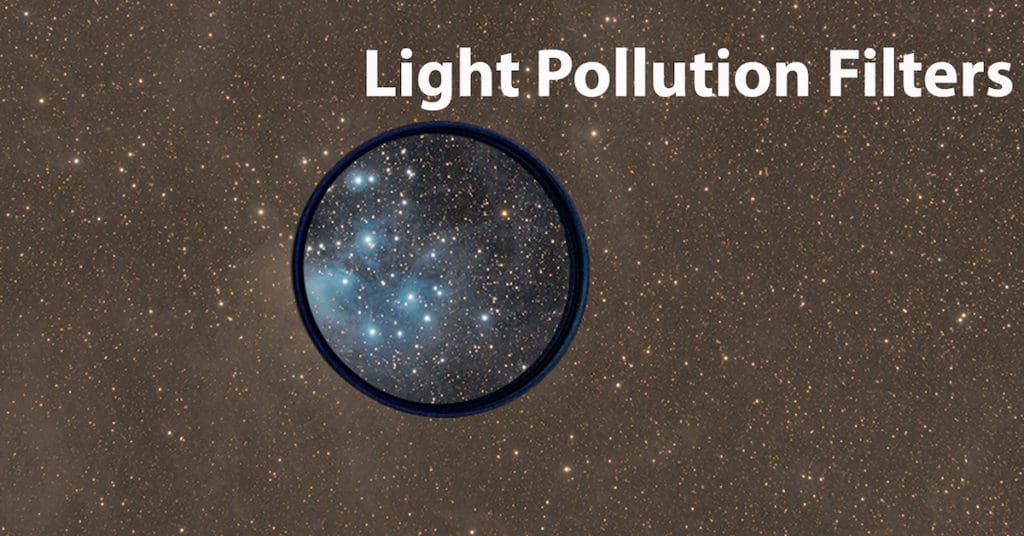
Mistake #3: Ignoring Light Pollution
You live in the city. You step outside. You see… three stars. Where’s the rest of the sky?
Light pollution drowns out most celestial objects. Streetlights, house lights, and urban glow wash out the dim wonders you’re hoping to find. It’s not your telescope’s fault. It’s your environment.
Fix it: Learn about the Bortle Scale (a measure of light pollution from 1–9). Download an app like Light Pollution Map or Clear Outside. Try observing from your backyard with the lights off, then plan occasional trips to darker skies. Even a 30-minute drive can make a dramatic difference.
Mistake #4: Rushing Without a Plan
You set up the scope… but what are you looking at? Beginners often scan the sky randomly, hoping to “find something.” Without preparation, stargazing becomes a guessing game.
Fix it: Make a simple plan. Pick 1–2 objects in advance (like the Moon, Jupiter, or a bright star cluster). Use a stargazing app like SkySafari or Stellarium to locate them. Know the moon phase. Know when objects rise and set. With 5 minutes of prep, your session becomes focused and rewarding.
Bonus tip: Use a red flashlight to preserve your night vision while reading maps or checking your gear.
Mistake #5: Quitting Too Soon
It’s easy to pack up after one blurry session and assume the hobby just isn’t for you. But every passionate astronomer today once struggled to find their first star. Your eyes, skills, and knowledge all improve over time.
Fix it: Stick with it. Make peace with being a beginner. Read guides, join forums, and watch YouTube tutorials. Each night out teaches you something. And the first time you catch a planet, a nebula, or a passing satellite? That’s the hook that pulls you in for good.
Want a simple tool to help you stay on track? 👉 Start Your Stargazing Journey
Final Thoughts: Every Expert Stargazer Was Once Lost in the Dark
Beginner stargazing mistakes aren’t failures — they’re just steps in the journey. With the right tools, mindset, and a little patience, you’ll go from frustration to fascination in no time.
Avoid the hype. Learn what matters. And let each clear night be a quiet step toward something bigger.
Want help picking the right gear?
👉 Check out the Best Astronomical Telescopes for Beginners
The sky is waiting. All you have to do is look up.