Introducing our essential beginner stargazing checklist printable to help you enjoy our dark sky adventures. Get the right gear and stay prepared for stress-free stargazing nights with our guide.
You’ve been dreaming about lying under a sky filled with stars. You’ve seen breathtaking astronomy photos online, maybe watched a documentary, and thought, I want to see that for myself.
The excitement builds — you grab a blanket, maybe even a telescope, and head out at night. But then it happens: you realize you forgot the batteries for your flashlight. Your phone dies after half an hour. Your hands get cold. The sky is there, but instead of wonder, you feel frustrated.
That’s exactly why I created a printable beginner stargazing checklist. It takes away the guesswork and ensures you’re always prepared for an incredible night.
With the checklist in hand, you’ll have everything you need: warm clothes, the right gear, and a plan for what to see. An ideal companion when you first start stargazing.
Instead of distractions, you’ll experience peace, curiosity, and the kind of starry nights you’ve always imagined.
Why You Need a Stargazing Checklist
When you’re just starting, stargazing feels simple: look up, find stars, and enjoy. But as many beginners quickly learn, it’s easy to overlook the little things.
Maybe you drive 45 minutes to a darker spot, set up your telescope, and discover you forgot the eyepiece. Or perhaps you’re on the perfect hillside, but your neck hurts because you didn’t bring a chair. These small mistakes add up, and they can cut a promising night short.
That’s why a beginner stargazing checklist printable is more than just a list. It’s peace of mind. It’s a way to turn “I forgot my flashlight” into “I’m ready for an unforgettable night.”
Even seasoned astronomers use checklists. NASA astronauts go through a checklist before liftoff. Pilots review them before every flight. Why? Because when the stakes are high, memory isn’t reliable. The same goes for stargazing — you’re investing your time, energy, and gear. You want it to count.
The Essential Gear Every Beginner Needs
When people ask me how to get started, they often assume they need a $2,000 telescope. They don’t. The best beginner stargazing checklist printable starts with simple, reliable gear.
A Beginner Telescope or Binoculars
If you’re serious about stargazing, a beginner telescope is a solid choice. Look for a Dobsonian telescope or a simple refractor — they’re easier to use than complex computerized mounts.
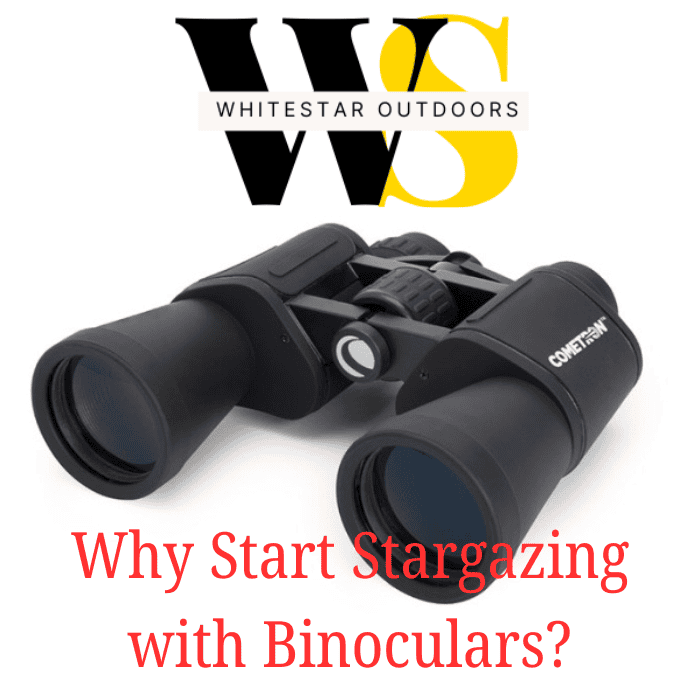
But here’s the secret: binoculars are underrated. A good pair of astronomy binoculars shows you the craters on the Moon, the moons of Jupiter, and star clusters. They’re portable, affordable, and easier to use when you’re still learning.
Tripod or Mount
A telescope without a stable mount is like a camera without a lens. Shaky views ruin the magic. Invest in a sturdy tripod or a simple alt-azimuth mount that lets you smoothly track objects across the sky.
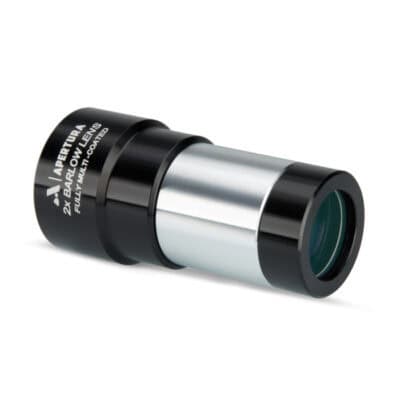
Barlow Lens
Eyepieces and Accessories
Start with two eyepieces: a low-power one for wide-field views and a high-power one for planets. Add a Barlow lens to double your magnification options without buying extra eyepieces.
Comfort Items for Longer Nights
When you’re under the stars, comfort is everything. If you’re shivering or straining your neck, you won’t stay long.
Warm clothing: Even in summer, temperatures can drop quickly after dark. Layers, gloves, and hats are your friends.
Camping chair or reclining mat: Stargazing is more fun when you can sit back comfortably. A foldable camping chair is perfect.
Blankets and pillows: For extra comfort and warmth, especially if you’re lying down to see wide views of the Milky Way.
Snacks and drinks: A thermos of tea or coffee keeps you alert. Water prevents dehydration. Small snacks keep energy levels up.
The goal is simple: stay outside long enough for your eyes to fully adjust. That can take 20–30 minutes, and the longer you linger, the more you’ll see.
Navigation Tools You Shouldn’t Forget
Knowing how to find dark sky spots near [Your Region] is the first step. Once you’re there, you need to know where to look.
Red Flashlight
A red flashlight from High Point Scientific is essential. Bright white light wipes out your night vision for up to 30 minutes. Red light is gentle, letting you check your gear without losing your view of faint stars.
Beginner Stargazing Checklist Printable
Your beginner stargazing checklist printable is more than a list. It’s your safety net. Use it before every trip to make sure you’ve got everything — optics, power, comfort items, and navigation tools.
Stargazing Apps
Apps are your best ally, especially if you’re asking how to find dark sky spots near [Your Region]. In 2025, apps like Stellarium and SkySafari show you exactly where constellations, planets, and deep-sky objects will be. They even alert you to meteor showers or ISS flyovers.

Warrumbungle National Park
Finding Dark Skies Near You
So, where do you actually go? Here’s how to uncover the best dark sky spots near [Your Region].
Use Light Pollution Maps
Start with online tools like Light Pollution Map. Enter your location and look for darker zones — gray or black areas are prime.
Escape the City Lights
Drive at least 30–90 minutes away from major urban areas. Head toward rural landscapes, mountains, or coastlines where streetlights fade into the distance.
Discover Dark Sky Reserves
Many regions now host official “dark sky parks.” In the USA, Big Bend National Park and Cherry Springs State Park are legendary. In the UK, Galloway Forest Park and Exmoor National Park are certified as dark sky areas. In Australia, Warrumbungle National Park is a stargazer’s paradise.
Ask Local Experts
Join astronomy clubs in [Your Region] or search Facebook groups. These communities love sharing their favorite dark-sky locations and even organize group outings where beginners are always welcome.
Real-World Story – The Breakthrough Moment
A newcomer to stargazing in [Your Region] was eager to witness a meteor shower. He packed his telescope and set up in his backyard.
The glow of city lights washed out the view. Only the brightest stars appeared. The shower felt like a disappointment.
Frustrated, he searched for how to find dark sky spots near [Your Region]. Using a light pollution map, he discovered a quiet nature reserve just over an hour away. With his beginner stargazing checklist printable in hand, he packed a warm jacket, a chair, a red flashlight, and his telescope.
That night, he saw the Milky Way stretching from horizon to horizon. Shooting stars blazed overhead. He came home inspired, excited to keep exploring the skies. That simple checklist and a darker location changed everything.
Common Mistakes to Avoid
Even with the best stargazing apps for beginners 2025, you’ll want to avoid a few beginner mistakes:
Forgetting essentials: Missing batteries, jackets, or snacks cuts your night short.
Ignoring the moon phase: A bright full moon can drown out everything but the brightest stars.
Not checking access rules: Some parks close at dusk. Make sure your chosen dark-sky spot is open to night visitors.
Relying only on your phone: Always bring the beginner stargazing checklist printable so you’re not stranded if your phone dies.
Action Step – Your Turn
Here’s how to put this into action right away:
Go to Google and type how to find dark sky spots near [Your Region].
Use Light Pollution Map or Sky Map to pick a location.
Print your beginner stargazing checklist
Pack your starter telescope, a phone adapter mount, and some snacks.
Head out on the next clear, moonless night.
Within minutes, you’ll be amazed at what you’ve been missing.
Conclusion – A Clear Path to Awe
The stars have always been there. The only thing standing between you and them is the glow of city lights. Once you know how to find dark sky spots near [Your Region], you’ll see the universe in a whole new way.
So here’s your invitation: make it a habit. Pick a dark-sky spot, and bring your curiosity with you. With apps, maps, and the right gear, you’ll discover galaxies, planets, and cosmic wonders hiding above your head.
👉 Download your free beginner stargazing checklist printable today and plan your first dark-sky adventure. The universe is waiting.