
Astronomy for Beginners
Astronomy for beginners explained in simple terms. Learn how stars form, how galaxies work, and how to start understanding the universe step by step.
Astronomy is one of the oldest sciences in human history. Long before telescopes existed, people looked up at the night sky and wondered what the stars, planets, and distant lights actually were.
Today, astronomy for beginners is easier to explore than ever before. With a little curiosity and a few basic concepts, anyone can begin to understand the universe that surrounds our planet.
This guide introduces the fundamental ideas of astronomy in simple terms, helping beginners understand what they are seeing when they look up at the night sky.
What Is Astronomy?
Astronomy is the scientific study of celestial objects and the physical processes that shape the universe.
These objects include:
- Stars
- Planets
- Moons
- Galaxies
- Nebulae
- Black holes
Professional astronomers study these objects using powerful telescopes and scientific instruments. However, astronomy is also one of the few sciences where amateurs and beginners can make meaningful observations.
The Night Sky: What Beginners Usually Notice First
When people first begin exploring astronomy, several objects immediately stand out.
The Moon
The Moon is the closest object to Earth, and often the first target beginners observe. Even without a telescope, its changing phases reveal how sunlight illuminates its surface.
Bright Planets
Several planets can be seen with the naked eye. Jupiter, Saturn, Mars, and Venus are the most commonly visible.
Unlike stars, planets usually shine with a steady light rather than twinkling.
Constellations
Constellations are patterns of stars that humans have recognized for thousands of years. Learning just a few constellations can help beginners navigate the entire night sky.
Stars: The Building Blocks of the Universe
Stars are massive spheres of hot gas that produce energy through nuclear fusion. Our Sun is simply one star among hundreds of billions within our galaxy.
Stars form inside vast clouds of gas and dust called nebulae. Over millions of years, gravity pulls these clouds together until nuclear fusion begins.
This process produces the light and heat that stars emit for millions, or even billions, of years.
Galaxies: Cities of Stars
Stars rarely exist alone. Instead, they gather into enormous systems known as galaxies.
Our galaxy, the Milky Way, contains hundreds of billions of stars.
When you look up at a truly dark sky, the faint band stretching across the sky is actually the combined light of countless distant stars within our own galaxy.
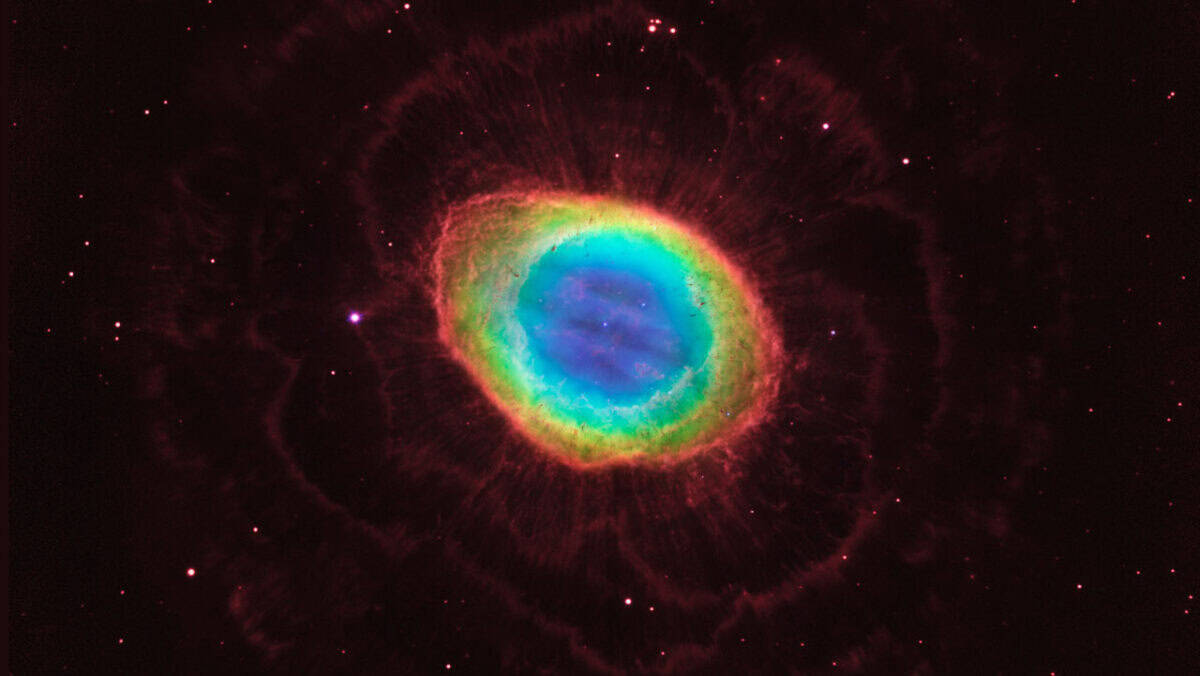
nebula star formation region astronomy for beginners
Why Astronomy Is Fascinating for Beginners
Astronomy for beginners offers something unique compared with many other sciences: the ability to explore vast cosmic structures with simple equipment.
Even a modest telescope or pair of binoculars can reveal incredible sights such as:
- The rings of Saturn
- The moons of Jupiter
- The craters of the Moon
- Bright star clusters
- The Orion Nebula
For many people, these first observations spark a lifelong interest in space and the universe.
Getting Started With Astronomy
If you are new to the subject, the best approach is to learn gradually. Begin by becoming familiar with the major constellations and planets visible during different seasons.
You may also want to explore our guide to stargazing for beginners, which explains how to begin observing the night sky step by step.
When you are ready to explore deeper space objects, a beginner telescope can reveal far more detail than the naked eye alone.
If you are considering buying one, read our guide on choosing your first telescope.
A Universe Worth Exploring
Astronomy reminds us that our planet is only a small part of an enormous universe filled with stars, galaxies, and mysteries that scientists continue to study.
For beginners, the most important step is simply to look up and begin exploring.
Every clear night offers another opportunity to discover something new.

Explore astronomy for beginners with high-quality beginner telescopes and binoculars here: