See What’s in the
Night Sky
Stargazing Made Easy and Exciting
Imagine discovering the Moon’s craters, spotting Jupiter’s largest moons through binoculars, or seeing Saturn’s magnificent rings through a telescope.
Stargazing for beginners starts in your own backyard. Discover more with what you already own or your first telescope.
See what’s happening in the night sky this month and where to look.
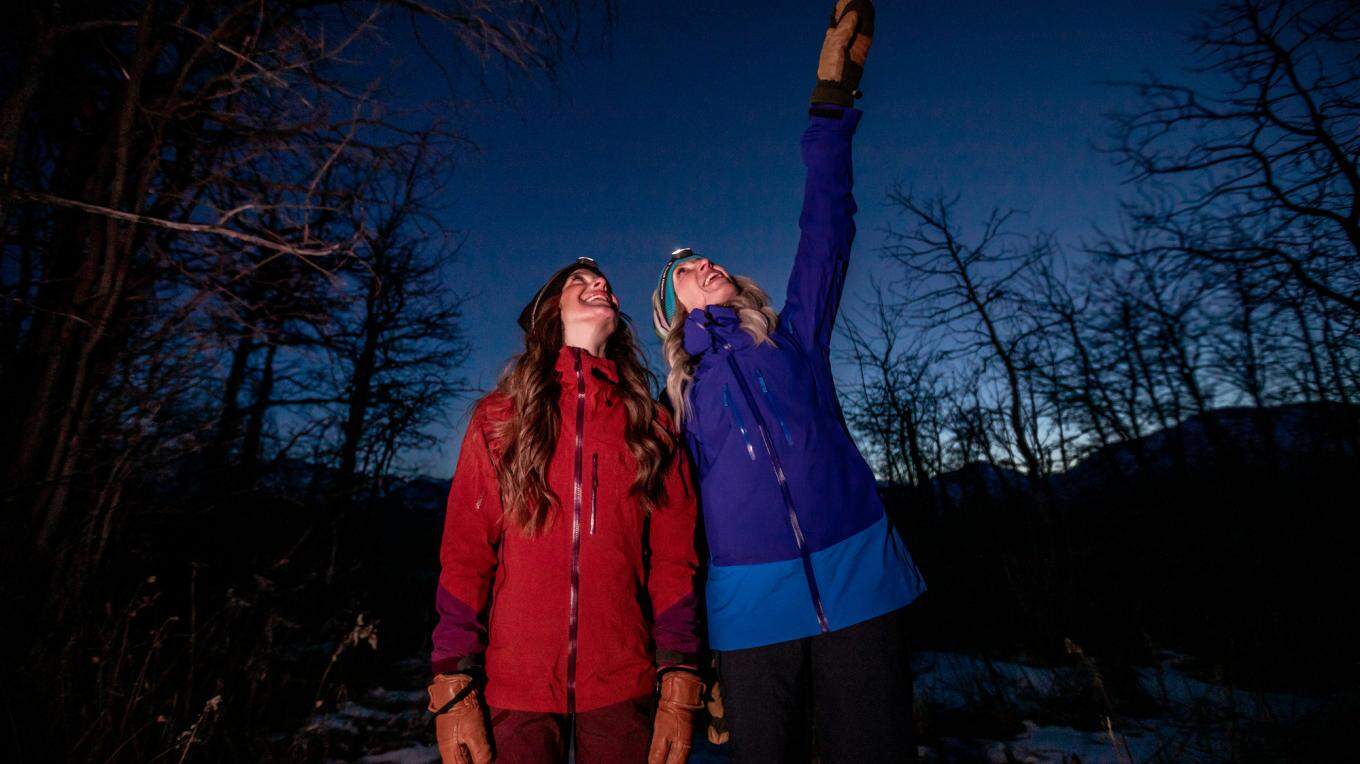
Your First Night Out
Ready to explore the night sky? Our free guide shows you how to get started, what to look for and how to enjoy your first night under the stars.
- Five fascinating things to observe
- When and where to go stargazing
- Simple equipment and preparation tips
- A practical first-night checklist
You'll also receive helpful stargazing tips from White Star Outdoors. Unsubscribe anytime.
Look Up This Month
October 2026 skywatching highlights for both hemispheres.
The Moon
10–11 & 26 October
New Moon brings darker skies; Full Moon lights up the end of the month. Visible worldwide.
Moon Viewing GuideThe Planets
October evenings
Saturn is a great telescope target. Look for its rings from either hemisphere.
See the PlanetsTonight's Sky
21–22 October
The Orionid meteor shower peaks. Watch before dawn from either hemisphere.
What's Visible Tonight?Constellations
Throughout October
North: Pegasus and Andromeda. South: Grus and Phoenix.
Find the ConstellationsThe Milky Way Tonight
Around 10–14 October
Dark skies near New Moon. North: Cygnus. South: Sagittarius.
Spot the Milky WayStart Exploring: Stargazing for Beginners
Practical guides to help you get the most from your nights under the stars.
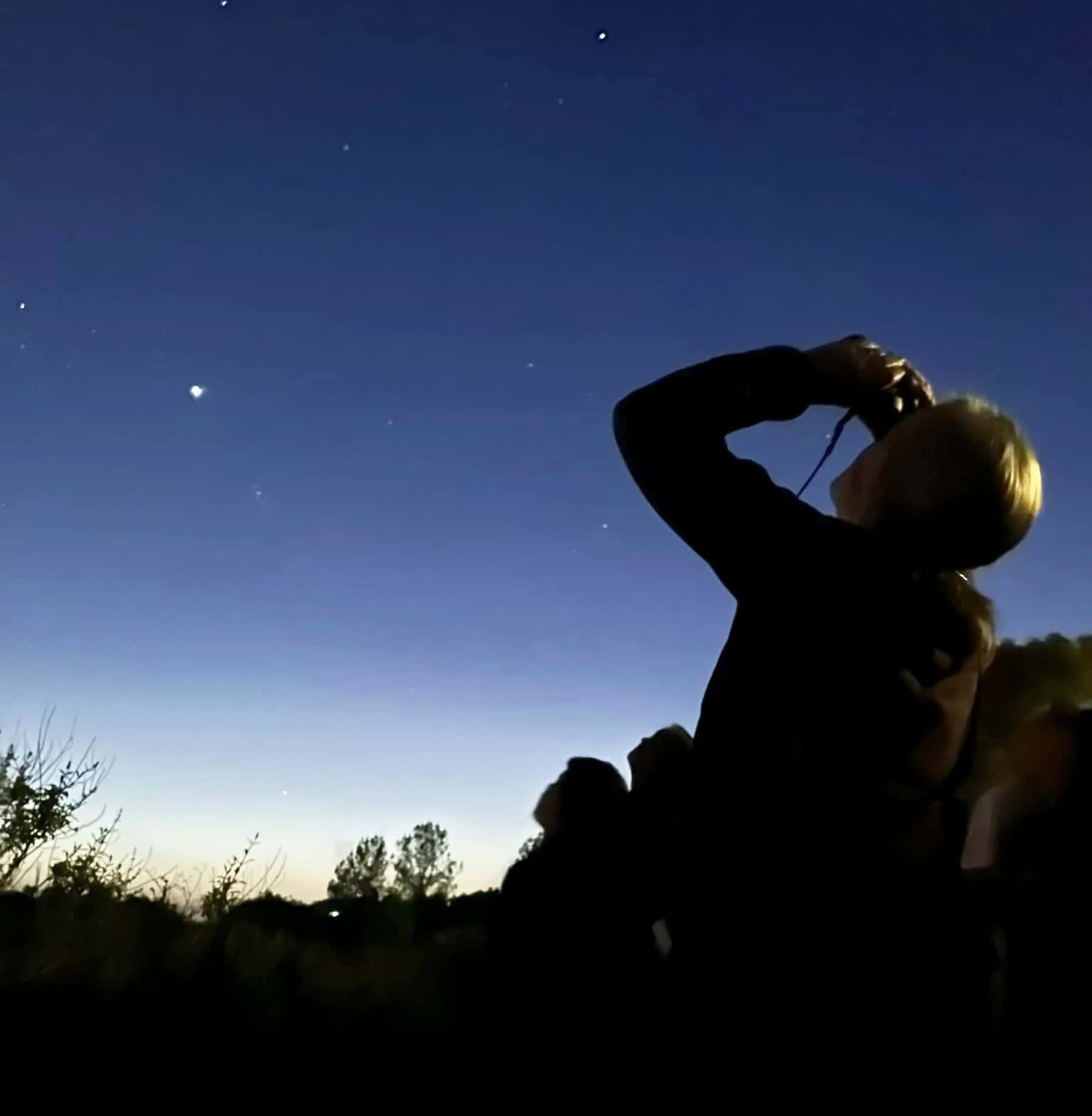
Stargazing with Binoculars
See the Moon's craters, Jupiter's moons and bright star clusters with binoculars you may already own.
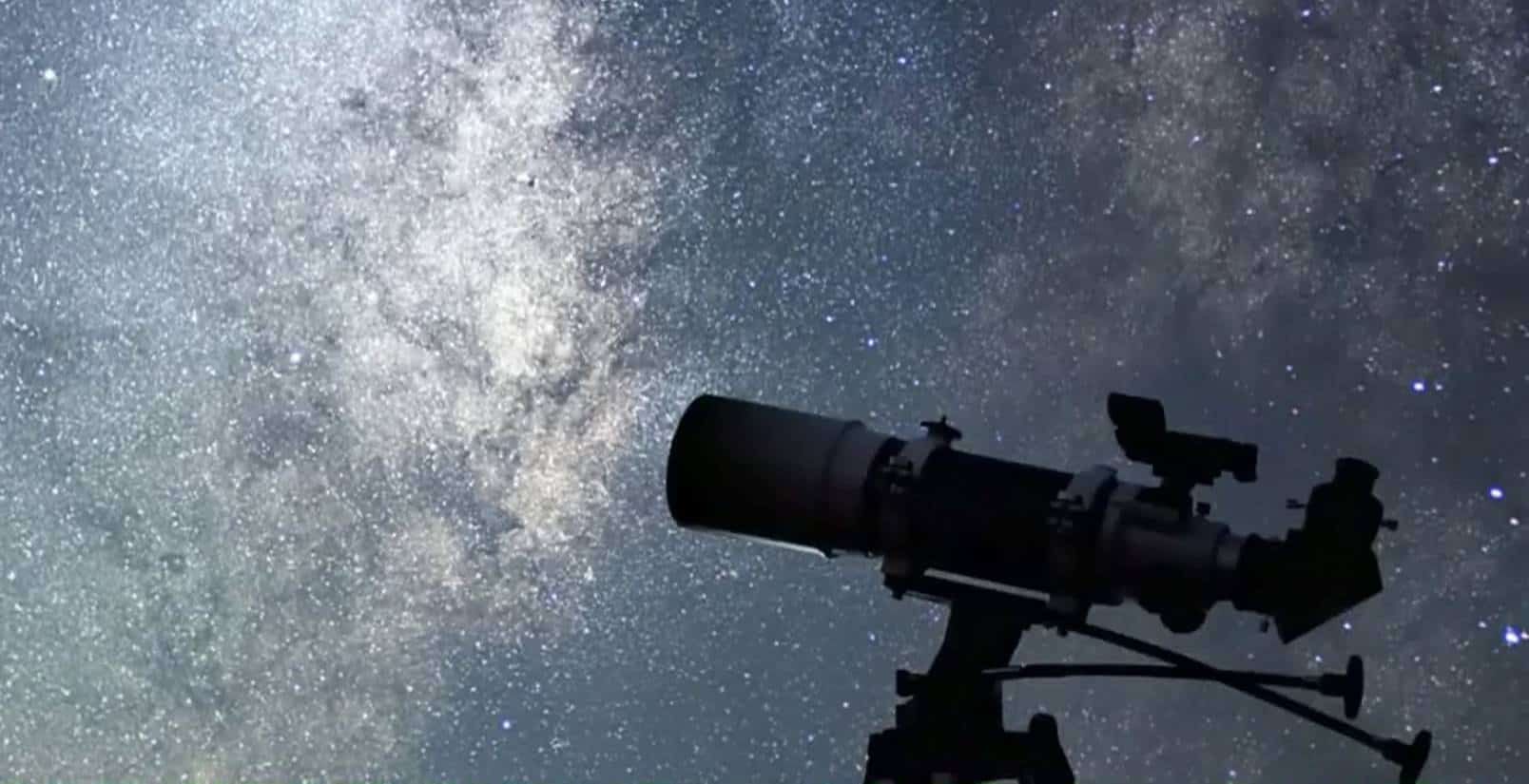
Choosing Your First Telescope
Which telescope is right for you? Find out what matters before choosing your first one.
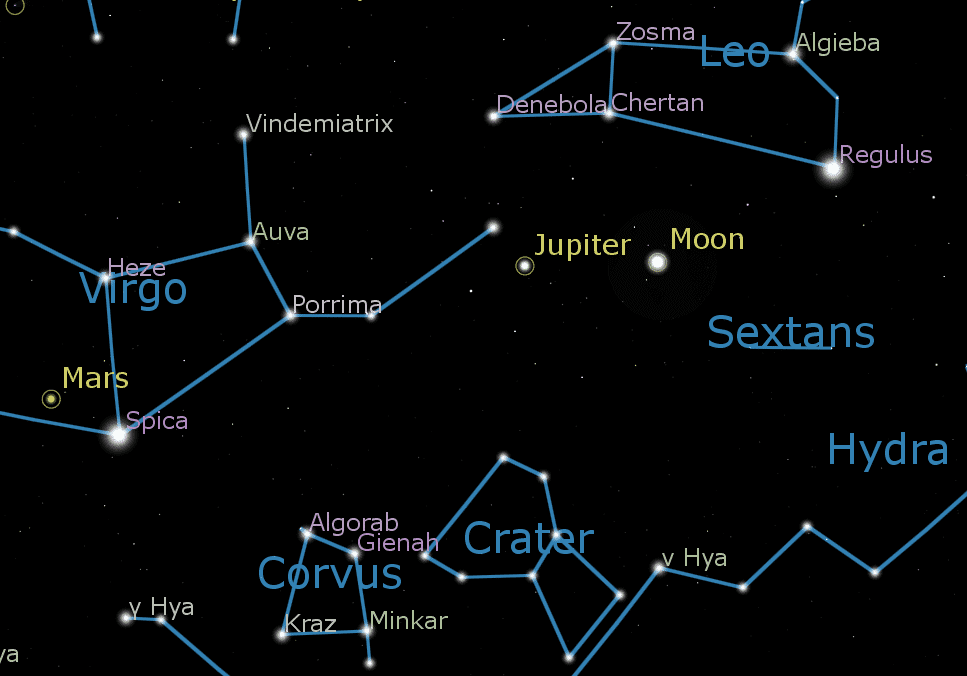
Find Stars and Constellations
Start with five easy-to-find constellations and learn your way around the night sky.
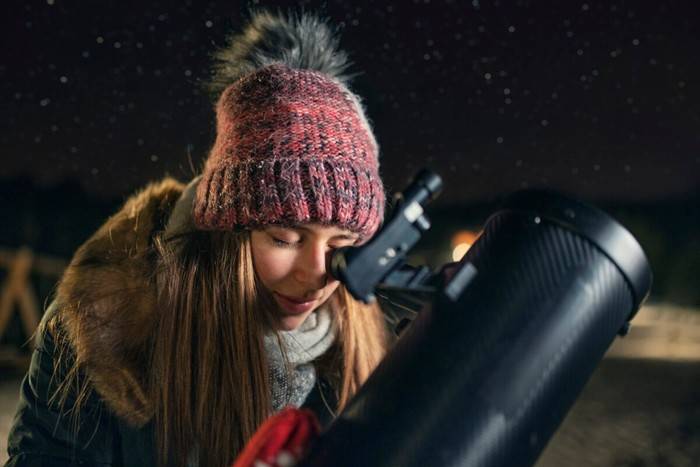
Start Your Stargazing Journey
Find the best telescopes for beginner stargazing. Explore the sky from your backyard tonight.
Ever Wondered Why?
The questions people ask when they first start exploring the night sky.
How Can You Identify Venus in the Night Sky?
Discover how to recognise Venus and distinguish this bright planet from nearby stars.
What Can You See with Astronomy Binoculars?
Explore the Moon, star clusters and other night-sky sights using binoculars.
Can You See Saturn Without a Telescope?
Learn how to spot Saturn with the naked eye and what you can expect to see.
Can You See the Milky Way Tonight?
Find out when and where to look for the Milky Way and what makes it easier to see.
When Is the Best Time to Go Stargazing?
Understand how darkness, moonlight, weather and timing affect your view of the stars.
See More of the Sky
The right equipment can open up a whole new view of the night sky. Whether you're exploring with binoculars, choosing your first telescope or looking for useful accessories, High Point Scientific offers astronomy equipment to help you take the next step.
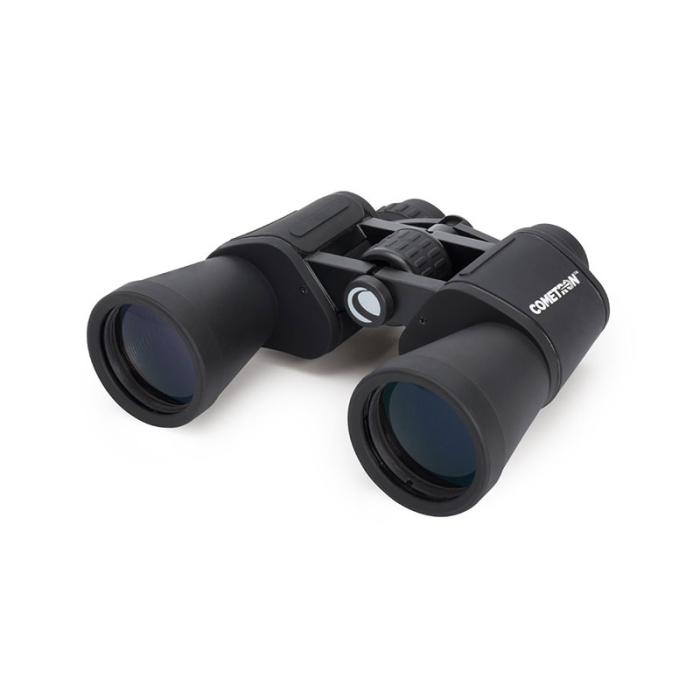
Astronomy Binoculars
A simple way to begin exploring the Moon, star clusters and wide areas of the night sky. Discover binocular options for your observing interests.
See Astronomy Binoculars →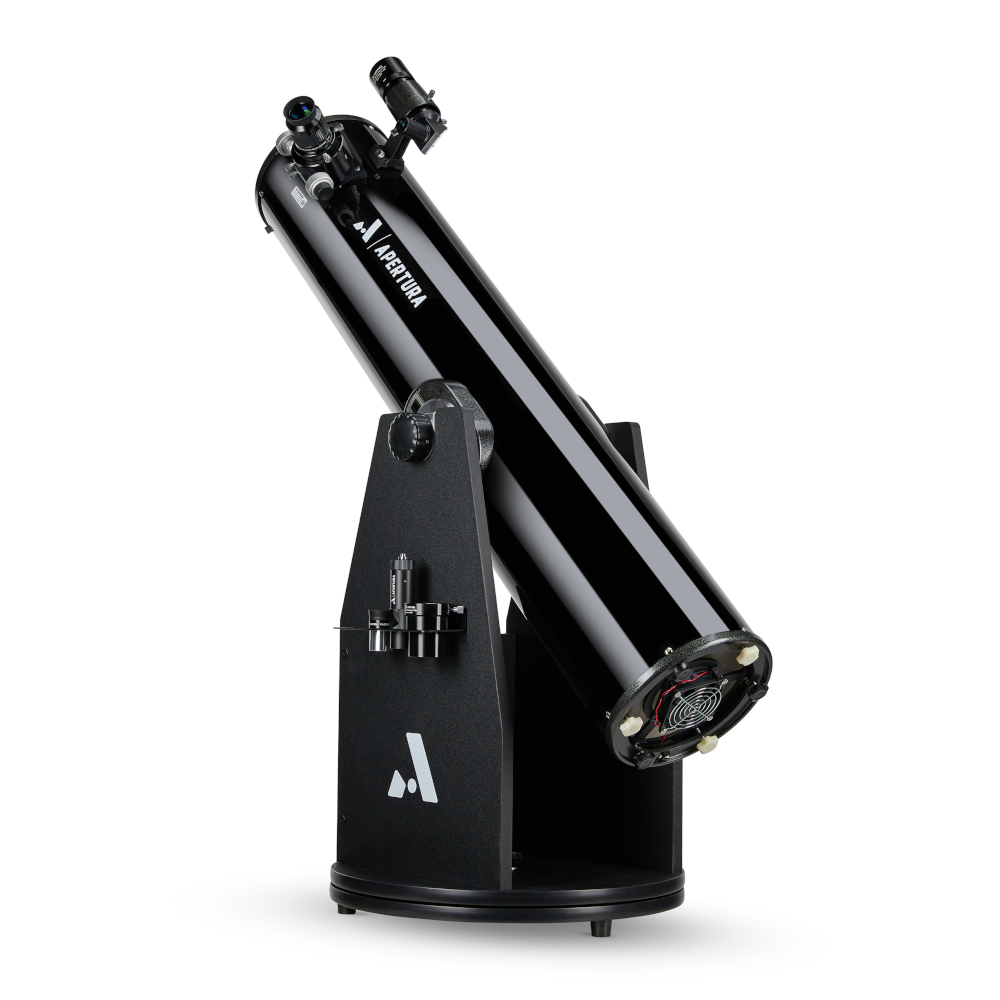
Beginner Telescopes
Choosing your first telescope is the hard part. See why the Apertura AD8 is my pick for most beginners, and the two honest alternatives if it is too much to carry or more than you want to spend.
Our Beginner Telescope Recommendations →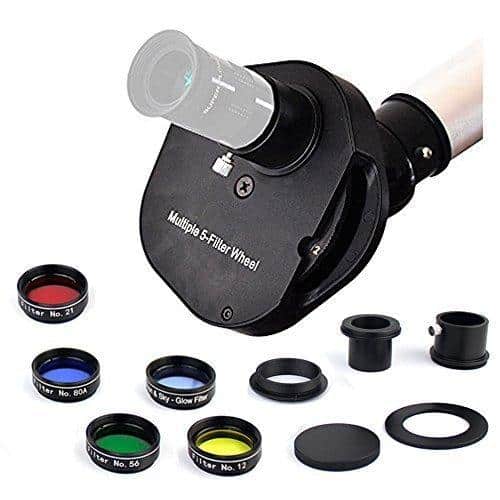
Telescope Accessories
Eyepieces, filters, mounts and other useful additions can improve your observing experience. Explore accessories for your telescope setup.
Browse Telescope Accessories →Affiliate disclosure: White Star Outdoors may earn a commission if you make a qualifying purchase through these links, at no additional cost to you.
Your Next Night Under the Stars Starts Here
Stargazing isn't just about looking up!
It's about reconnecting with the sense of wonder we often lose each day. The sky above us is vast, ancient, and full of mysteries, yet it's accessible to anyone who pauses to look up.
You don't need expensive equipment or years of experience to enjoy the night sky. A little curiosity, a clear evening and the right guidance can open up an extraordinary world above you.